
Reclaiming Your Retail Power in an Amazon World
by Kaelin Jutras
It is the silent heartbreak of the modern treatment room. You spend an hour or more pouring your energy into a service, educating your client on their skin health, and carefully curating a home-care ritual to correct their concerns. They nod, they love the results, they take a photo of the bottle… and then they leave empty-handed.
By the time they reach their car, they have found the exact same “professional” product on Amazon. It is listed at 20% below MSRP, with Prime next-day delivery and—the kicker—free returns.
This is a logistics battle that the independent esthetician cannot, and should not have to, fight. We cannot absorb the cost of free shipping on single items. We certainly cannot accept open, half-used returns simply because a client “changed their mind.”
When professional skincare brands host their own Amazon storefronts that undercut their partners, they are essentially using estheticians as unpaid showrooms. We provide the education, the trust, and the recommendation, while the algorithm takes the profit.
Here is the truth that many estheticians forget: You hold the power.
Professional brands rely on the “Professional” label for their prestige and validity. Without us, they are just another bottle on a digital shelf. Your purchasing power is your voice, and it is time to use it to negotiate a partnership that actually respects your business.
Here is how to effectively communicate with brands and move the needle in the right direction.
Step 1: The Inventory Audit
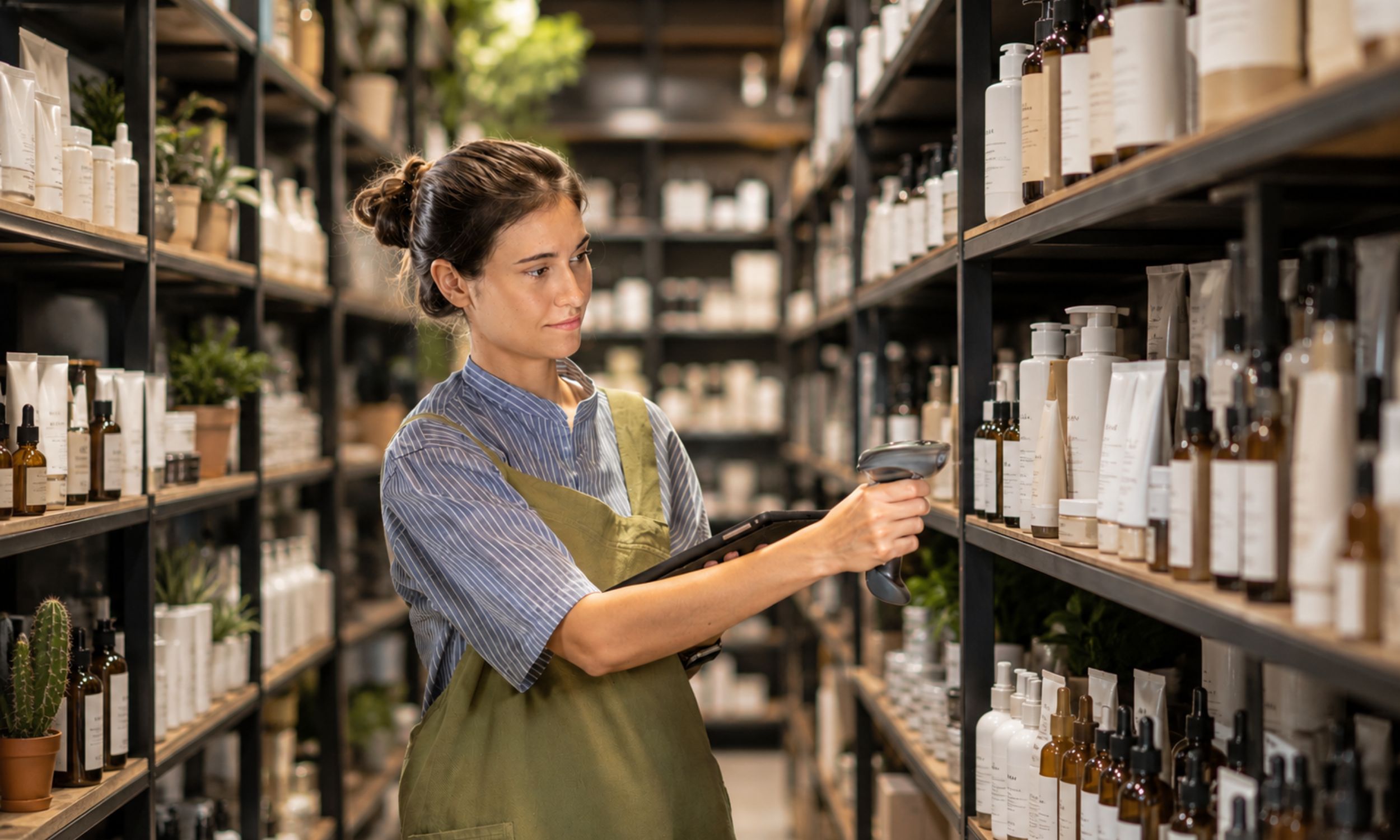
Before you reorder, do your research. Type the hero products on your shelves into Amazon.
- Is the brand selling on Amazon?
- Is the brand selling on ebay, poshmark or any other auction platforms where users can make lower than msrp bids on the products?
- Are they adhering to the Minimum Advertised Price (MAP), or are they undercutting you? If you notice a brand selling directly, above MAP price that helps position retailers well since they will have a more competitive price.
- Are they enforcing MAP pricing for all retailers? Run a google search on the product to make sure pricing is the same everywhere you see it online to ensure fairness across the board.
If a brand is competing with you on price and convenience while relying on you for credibility, the partnership is out of balance.
Step 2: The Conversation (Don’t Ghost, Negotiate)
Many estheticians simply stop carrying a line when this happens. While that is an option, I encourage you to try negotiation first. Brands need to hear why they are losing shelf space.
Send an email to your account representative. Keep it professional, firm, and business-focused.
The Script:
“I love the results I get with this line, but I am finding it increasingly difficult to retail your home care. I have noticed your products are available on Amazon with Prime shipping and free returns, often below the MSRP I am required to sell at. As a small business, I cannot compete with those logistics. Not only is selling on Amazon harming my retail sales but it also contributes to the climate crisis. I want to continue our partnership, but I need to know how you plan to support your professional partners who are building your brand equity on the ground before re-ordering. Please also send your plan for how your brand plans to calculate and offset the carbon emissions it takes to create the products.”
Step 3: What to Ask For
If a brand insists on having an Amazon presence (which many do), you can negotiate terms that level the playing field. Do not be afraid to ask for the following:
- Strict MAP Enforcement
Demand that the brand polices the pricing online. If the serum is $80 on your shelf, it must be brought to a minimum of 20% higher on Amazon to position the spa-retailer as the most competitive price to account for Amazon prime free shipping. If they sell below that and / or allow third-party sellers to slash prices, they are devaluing your inventory. If a brand says it is not them selling the products on Amazon, they can still file a dispute directly with Amazon (this is also true for google and other domains, a DMARC takedown can be used to enforce violations).
- Professional Exclusives
Ask for only lifestyle accessories to be sold on Amazon, not any skin care products that professionals retail.
- Affiliate Options
If the brand directs traffic to Amazon or elsewhere, ask if they have an affiliate program for professionals. If your client is going to buy online for the convenience of shipping, you should be able to send them a specific link that ensures you still receive a fair commission (at least 30%) on that sale.
Step 4: Vote with Your Dollars
If a brand refuses to budge, refuses to enforce pricing, or continues to undercut you, remember that you have the ultimate leverage: your opening order with another brand.
There is a rising tide of professional brands that strictly protect their partners. These brands lock their professional portals to protect your clients from viewing your pricing, lower the bar to lift off (offering no minimums), provide affiliate links for professionals, refuse to sell on Amazon, and prioritize the integrity of the esthetician-client relationship.
Supporting these brands is not just a business decision; it is an act of industry advocacy. When you move your budget to grass-roots, esthetician-led brands that protect you, you send a clear message to the industry that says “we are not sales reps. We are the experts and we will partner with those who respect our value”.
MIC DROP.
Read More…
-

The Holiday Booking Conversation Starts Now
30 September, 2026 -

Make Memberships Feel Relevant in Fall
30 September, 2026 -
Are Seasonal Specials Actually Profitable?
30 September, 2026 -

The Treatment Room Upgrade Guide
31 August, 2026 -

The New Era of Skin Analysis
31 August, 2026 -

High-Tech, High-Touch
31 August, 2026 -

Why Emotional Safety Is Becoming the New Luxury
31 July, 2026 -

Creating Signature Rituals That Define Your Brand
31 July, 2026