



The Missing Link Is Their Nervous System
By Aurora Solis
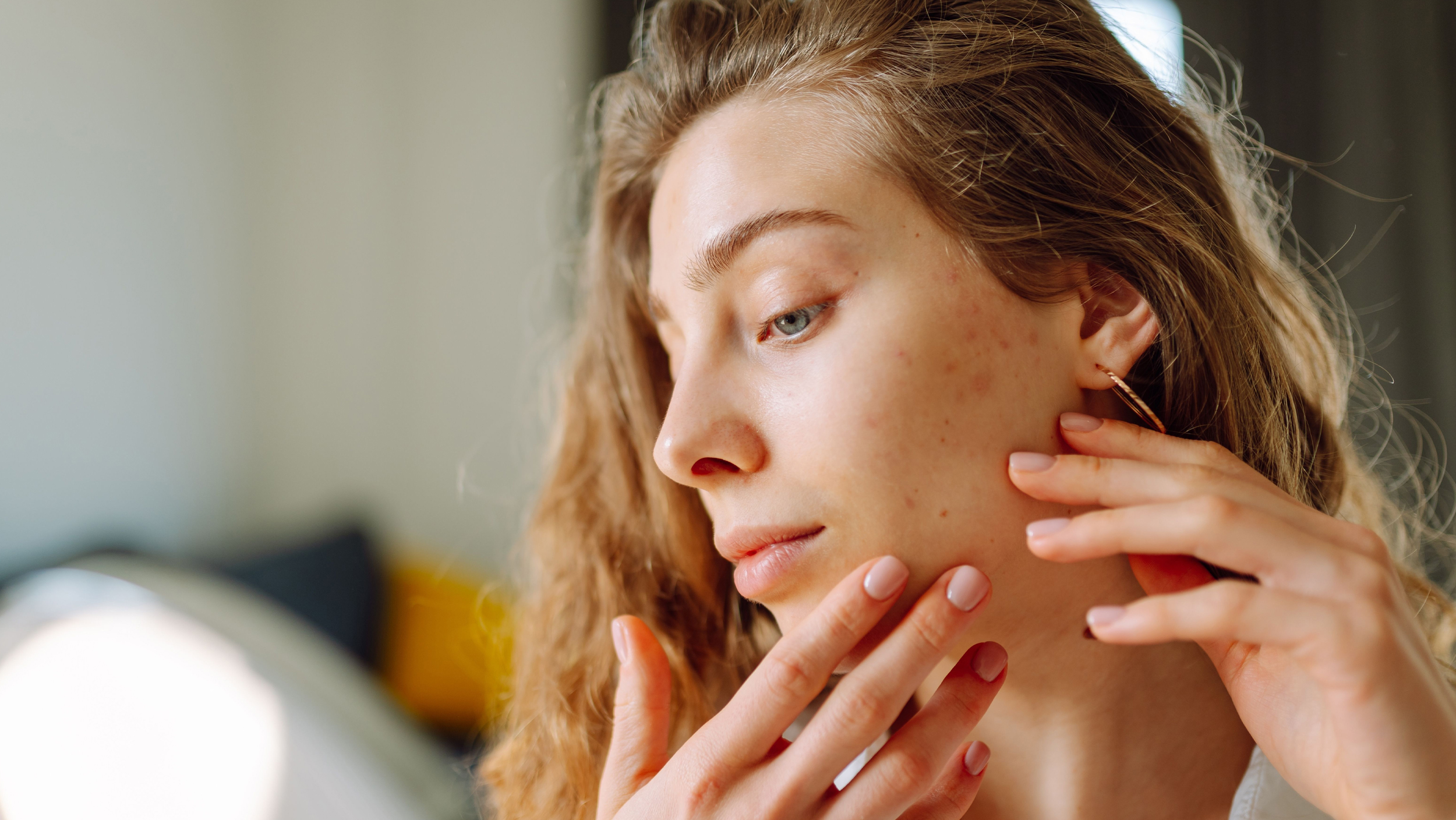
There is a pattern many estheticians know too well. A client commits to their routine, invests in treatments, and begins to see progress. The inflammation calms, breakouts reduce, and the skin starts to feel manageable again. Then, weeks or months later, the cycle returns. Congestion builds, cystic breakouts resurface, and the client finds themselves back where they started, confused and discouraged.
In most cases, this is not a failure of products or protocols. It is a reflection of something deeper that has not yet been addressed. The nervous system. For years, acne has been approached through a primarily topical lens. Cleanse, exfoliate, treat, correct. While these steps are essential, they only tell part of the story. Skin is not separate from the body, and the body is not separate from the mind. When the nervous system is dysregulated, the skin often reflects it in real time. Understanding this connection is what allows estheticians to move beyond temporary improvement and into lasting transformation.
The Physiology of Stress and the Skin
When the body perceives stress, whether emotional, environmental, or internal, it activates a cascade of hormonal responses. Cortisol rises, inflammation increases, and the body shifts into a survival state. This shift has a direct impact on the skin. Elevated cortisol can stimulate excess oil production, leading to clogged pores and breakouts. It can impair the skin’s ability to heal, prolonging the life cycle of acne lesions. It can also weaken the skin barrier, making it more reactive, sensitive, and prone to irritation.
For clients living in a constant state of stress, this response is not occasional. It becomes chronic. The skin is continuously trying to recover while being pushed back into inflammation, creating the cycle of relapse that so many struggle with. This is why even the most well-formulated skincare routine can only take a client so far. If the internal environment remains unchanged, the skin will continue to return to its baseline.
Recognizing the Signs of Nervous System Dysregulation
Not every client will openly express that they are stressed. In fact, many normalize it. It becomes part of their daily rhythm, something they no longer question. As estheticians, the ability to recognize subtle signs becomes essential. Chronic breakouts along the jawline, persistent inflammation that does not respond to treatment, and skin that fluctuates dramatically are often indicators.
There are also physical cues beyond the skin. Jaw tension, shallow breathing, tight shoulders, and an overall sense of urgency or restlessness can point to a nervous system that is rarely at ease. During consultations, the language clients use can also reveal patterns. Statements like “my skin was doing better but then everything came back at once” or “I feel like nothing works long term” often reflect an internal cycle that has not been interrupted. When these pieces are observed together, it becomes clear that the issue is not just acne. It is the environment the skin is existing within.
Why Traditional Acne Protocols Fall Short
Traditional acne treatments often focus on control. Reducing oil, eliminating bacteria, accelerating cell turnover. While these approaches can produce visible improvement, they can also become aggressive if not balanced properly. Over-exfoliation, frequent peels, and strong actives can further compromise the barrier, especially in clients already experiencing internal stress. The skin becomes more reactive, more inflamed, and ultimately less resilient.
This is where many clients get stuck. They are doing everything they have been told to do, yet their skin cannot sustain the results. A holistic approach does not replace corrective treatments. It refines them. It asks not only how to treat the acne, but how to support the skin so it can maintain the progress being made.
Shifting the Treatment Room Experience
Addressing the nervous system does not require a complete overhaul of your services. It requires intention. The treatment room itself can become a space that actively supports regulation. Slowing down the pace of a facial, incorporating rhythmic movements, and being mindful of transitions can signal safety to the body. When a client feels safe, the nervous system begins to shift out of survival mode.
Techniques such as lymphatic drainage and facial massage do more than sculpt or depuff. They encourage circulation, reduce stagnation, and create a sense of grounding. Even the way products are applied can influence the overall experience. Simple additions, like guiding a client to take a few deep breaths at the beginning of a treatment or allowing moments of stillness, can have a measurable impact. These are not extra steps. They are part of the work.
Supporting Clients Beyond the Treatment Room
The conversation does not end when the facial does. Education becomes a key component of preventing relapse. Clients do not need to be overwhelmed with information. They need clear, supportive guidance. Encouraging consistent routines, proper sleep, hydration, and moments of rest can create a foundation for the skin to function optimally.
It is also important to set realistic expectations. Skin that has been influenced by chronic stress may take longer to stabilize. There may be fluctuations along the way. Framing this as part of the process, rather than a setback, helps clients stay committed.
When clients understand that their skin is responding to their overall state, they begin to approach it with more patience and awareness. This alone can reduce the cycle of over-treating and constant product switching.
Staying Within Scope While Expanding Your Impact
Speaking about the nervous system does not mean stepping outside of your professional boundaries. It means acknowledging the connection between internal states and external outcomes. You are not diagnosing stress or treating mental health conditions. You are observing patterns and educating clients on how those patterns may be influencing their skin. This distinction is important. It allows you to expand your impact while maintaining integrity within your role.
A New Standard for Acne Care
The future of acne treatment is not more aggressive. It is more integrated. Clients are beginning to recognize that their skin is influenced by more than what they apply topically. They are looking for practitioners who can guide them through a more complete approach. When estheticians begin to incorporate nervous system awareness into their consultations and treatments, the results shift. Skin becomes more stable. Flare-ups become less frequent. Clients feel supported, not just treated. And perhaps most importantly, the cycle of relapse begins to break. Because when the body no longer feels like it is under constant pressure, the skin no longer has to reflect it.
Read More…
-

The Holiday Booking Conversation Starts Now
30 September, 2026 -

Make Memberships Feel Relevant in Fall
30 September, 2026 -
Are Seasonal Specials Actually Profitable?
30 September, 2026 -

The Treatment Room Upgrade Guide
31 August, 2026 -

The New Era of Skin Analysis
31 August, 2026 -

High-Tech, High-Touch
31 August, 2026 -

Why Emotional Safety Is Becoming the New Luxury
31 July, 2026 -

Creating Signature Rituals That Define Your Brand
31 July, 2026