



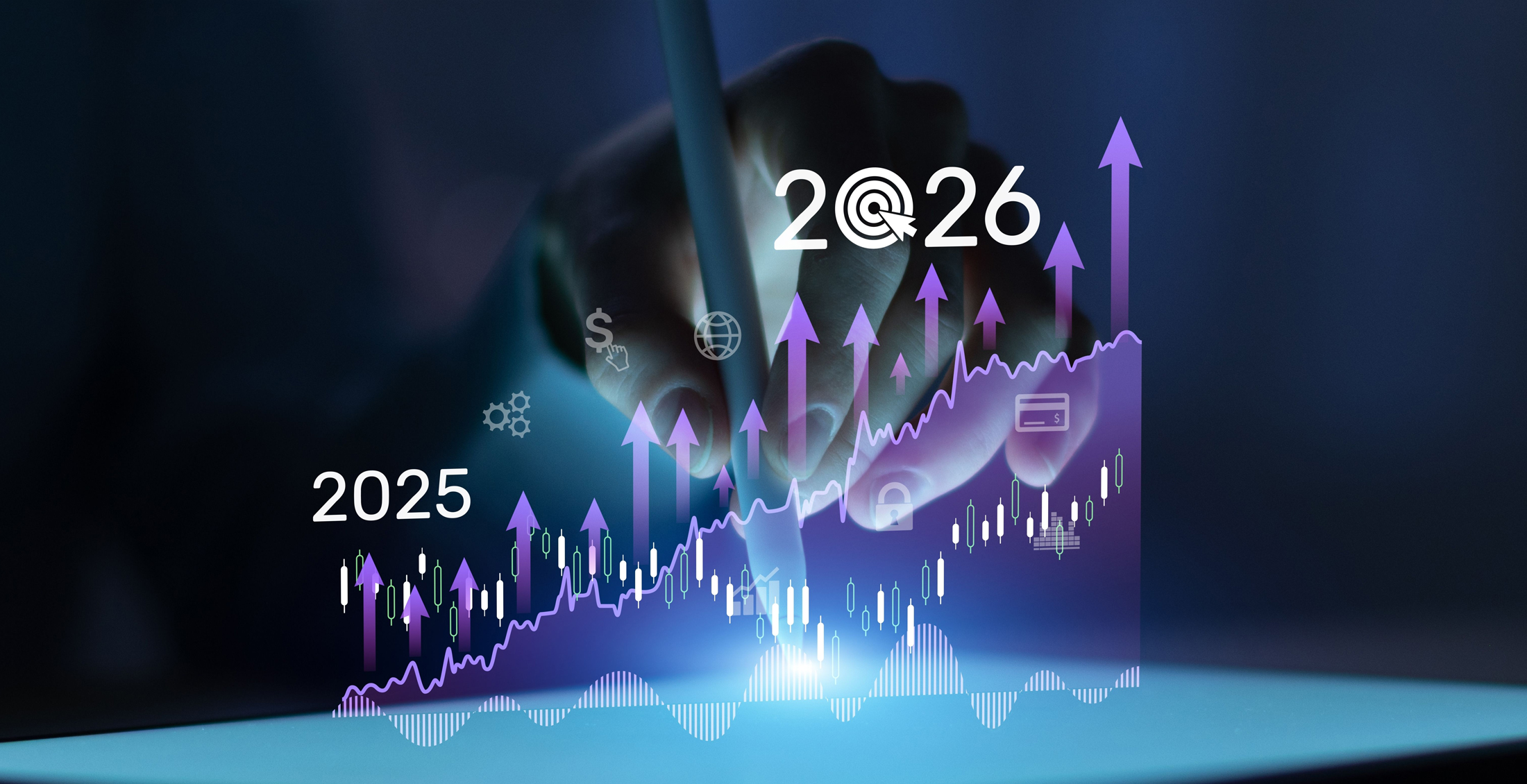
Why Understanding Your Numbers Is the Key to Sustainable Growth
By Aurora Solis
Many estheticians enter the profession because they are passionate about skincare, wellness, and helping others feel confident in their own skin. Yet as rewarding as the treatment room can be, success in today’s esthetics industry requires more than exceptional hands-on skills. It requires understanding the business behind the beauty.
One of the most significant shifts happening within the industry is the growing recognition that estheticians must also think like business owners. While social media followers, fully booked schedules, and glowing client testimonials may appear to be indicators of success, they only tell part of the story. The numbers behind a business often reveal a much clearer picture of its health, profitability, and long-term sustainability.
This is where Key Performance Indicators, commonly known as KPIs, become invaluable. KPIs are measurable metrics that help business owners evaluate performance, identify opportunities for growth, and make informed decisions. Rather than relying on intuition alone, successful estheticians use these benchmarks to understand what is working, what needs improvement, and where their attention should be focused.While there are countless metrics that can be tracked, several stand out as particularly important for esthetics professionals.
Revenue Is Only the Beginning
Most business owners naturally pay attention to revenue, and for good reason. Revenue provides an overview of how much money is being generated through services, retail sales, memberships, and other income streams. However, revenue alone rarely tells the complete story.
An esthetician may generate impressive monthly sales while still struggling with profitability due to excessive expenses, poor retention, or ineffective pricing structures. Looking beyond total revenue allows business owners to gain a deeper understanding of their financial performance and overall efficiency.
The Value of the Average Client Visit
One of the most insightful metrics an esthetician can track is average ticket value. This number reflects how much revenue is generated during the average client visit and provides valuable information about service pricing, treatment upgrades, and retail performance.
A higher average ticket value often indicates that clients are investing in comprehensive treatment plans rather than booking isolated services. It may also suggest that an esthetician has successfully integrated retail recommendations, add-on services, or advanced treatment options into the client experience.Increasing average ticket value can often have a greater impact on profitability than simply attempting to attract more clients.
Retention Is the True Measure of Success
While attracting new clients is important, retaining existing clients is often where sustainable growth occurs. Client retention measures how effectively a business maintains relationships over time. A client who returns regularly for treatments and follows a recommended skincare plan is significantly more valuable than a one-time visitor.
Retention often reflects the strength of the client experience, the effectiveness of consultations, and the trust built between esthetician and client. Businesses with strong retention rates tend to enjoy more predictable revenue and greater long-term stability.
Similarly, rebooking percentages provide valuable insight into client commitment. Clients who leave with their next appointment already scheduled are more likely to remain consistent with treatment plans and achieve better results.
Understanding the Role of Retail
Retail remains one of the most underutilized opportunities within the esthetics industry. Many professionals hesitate to recommend products out of fear of appearing overly sales-oriented. However, homecare is often an essential component of achieving treatment outcomes.
Tracking the relationship between retail and service revenue can reveal important patterns. Healthy retail performance often indicates that clients trust professional recommendations and understand the value of supporting their treatments at home.When viewed through the lens of education rather than sales, retail becomes an extension of the treatment plan rather than a separate transaction.
Measuring Business Efficiency
Another important KPI involves treatment room utilization. This metric examines how effectively available appointment hours are being filled.An underbooked schedule may indicate marketing challenges, pricing concerns, or gaps in client retention. On the other hand, a consistently overbooked schedule may signal an opportunity to raise prices, expand availability, or bring on additional team members. Understanding utilization helps business owners make strategic decisions about growth without relying on assumptions.
The Cost of Acquiring a New Client
In today’s competitive marketplace, marketing has become an essential component of business development. Whether an esthetician invests in social media advertising, community events, referral programs, or digital campaigns, understanding the cost of acquiring a new client is critical.Many business owners focus solely on the number of new inquiries they receive. However, the more meaningful question is whether those marketing investments are generating profitable results.Tracking acquisition costs allows estheticians to identify which marketing channels produce the highest return and where future resources should be allocated.
Why Profitability Matters Most
Perhaps the most important KPI of all is profitability.Revenue may generate excitement, but profit determines whether a business is financially sustainable. A growing business that fails to generate profit will eventually face challenges regardless of how busy the schedule appears.
Profitability reflects the relationship between income and expenses. It provides the clearest indication of whether pricing, operations, marketing, and overall business strategy are working together effectively.Successful estheticians understand that growth is not simply about generating more revenue. It is about building a business that remains profitable, sustainable, and aligned with long-term goals.
A New Era of Business Ownership
The modern esthetician is no longer just a skincare professional. Today’s industry leaders are educators, entrepreneurs, marketers, and strategic decision-makers.By consistently tracking key performance indicators, estheticians gain the ability to make data-driven decisions that support both client outcomes and business success. While the treatment room will always remain at the heart of the profession, understanding the numbers behind the business allows estheticians to build careers that are not only impactful but sustainable.
In an industry that continues to evolve, knowledge may be one of the most valuable assets an esthetician can possess. And sometimes, the most powerful transformation doesn’t happen on the treatment bed—it happens when a business owner finally understands their numbers.
Read More…
-

The Holiday Booking Conversation Starts Now
30 September, 2026 -

Make Memberships Feel Relevant in Fall
30 September, 2026 -
Are Seasonal Specials Actually Profitable?
30 September, 2026 -

The Treatment Room Upgrade Guide
31 August, 2026 -

The New Era of Skin Analysis
31 August, 2026 -

High-Tech, High-Touch
31 August, 2026 -

Why Emotional Safety Is Becoming the New Luxury
31 July, 2026 -

Creating Signature Rituals That Define Your Brand
31 July, 2026