



Corrective Solutions for Hormonal Aging Skin
by Aurora Solis
As conversations surrounding skin health become increasingly sophisticated, the esthetic industry has begun moving beyond broad anti-aging language in favor of more nuanced discussions around skin physiology, longevity, and individualized treatment planning. One of the most important and often underexplored areas within this evolution is menopausal skin.
For many clients, menopause represents a dramatic turning point in how their skin looks, feels, and responds to both home care and professional treatments. Women who previously felt confident in their routines may suddenly experience dryness that seems resistant to hydration, increased sensitivity to products they once tolerated well, accelerated laxity, visible thinning, persistent redness, or even unexpected breakouts. These shifts are often described as abrupt, leaving clients frustrated by skin that feels unfamiliar and increasingly difficult to manage.
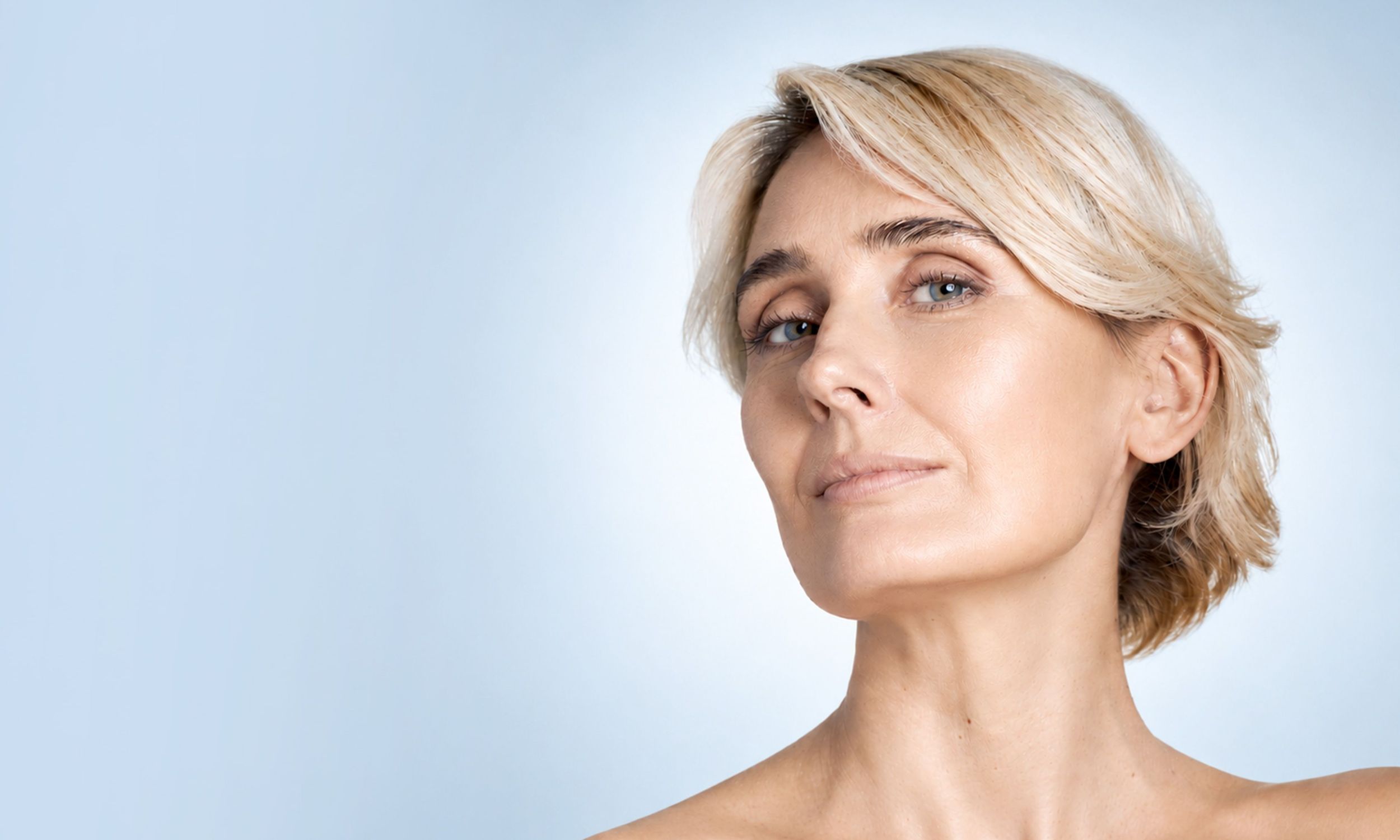
For estheticians, understanding menopausal skin requires moving beyond the assumption that all visible aging follows the same trajectory. Menopausal skin is not simply mature skin with more pronounced lines or reduced elasticity. It is hormonally influenced skin undergoing measurable biological changes that affect structure, barrier function, inflammation, healing capacity, and overall skin behavior. Recognizing this distinction allows practitioners to create treatment plans that are both more effective and more aligned with the client’s physiology.
The Hormonal Influence on Skin Aging
Estrogen plays a central role in maintaining skin health throughout a woman’s life. Its influence extends far beyond reproductive health, directly affecting collagen synthesis, skin thickness, elasticity, hydration, wound healing, vascular function, and the skin’s inflammatory response. As estrogen levels begin to decline throughout perimenopause and menopause, these systems are disrupted, creating visible changes that often feel accelerated compared to the gradual aging clients may have experienced previously.
One of the most clinically significant changes is collagen depletion. Studies have shown that women can lose a substantial amount of collagen in the early years following menopause, which helps explain the rapid onset of laxity, crepiness, and diminished structural support that many clients report. The skin may appear thinner, less resilient, and slower to recover following stress or stimulation.
Hydration also becomes increasingly compromised. Estrogen contributes to the production of glycosaminoglycans, including hyaluronic acid, which are essential for water retention and skin suppleness. As these levels decline, many menopausal clients present with skin that appears both dry and fragile, often describing a persistent feeling of tightness despite regular moisturizing.
Barrier function is another area significantly affected by hormonal change. Reduced lipid production and impaired barrier integrity can leave the skin more vulnerable to transepidermal water loss, environmental stress, inflammation, and increased reactivity. This often explains why clients who once tolerated active ingredients, exfoliation, or stronger corrective treatments may suddenly find themselves experiencing irritation or prolonged sensitivity.
These internal changes are further complicated by shifts in circulation, slower wound healing, increased inflammatory tendencies, and fluctuations in androgen activity, which may contribute to acne flare-ups in some clients even as overall skin dryness increases.
Why Traditional Anti-Aging Approaches Require Reassessment
Historically, anti-aging treatment plans have often emphasized aggressive correction through exfoliation, resurfacing, collagen stimulation, and active ingredient intensity. While these tools absolutely remain valuable within professional esthetics, menopausal skin often requires a more strategic approach.
A common clinical mistake is assuming that visible aging automatically calls for more aggressive intervention. In reality, skin that is structurally thinner, hormonally compromised, and increasingly reactive may not respond favorably to protocols that prioritize intensity without adequate support.
Repeated inflammatory treatments in a client with impaired barrier function may lead to prolonged erythema, sensitivity, delayed recovery, or worsening dehydration rather than meaningful improvement. Likewise, over-reliance on strong exfoliants at home may leave clients feeling as though they are “doing everything right” while unknowingly perpetuating barrier dysfunction.
This does not mean menopausal skin should be approached passively. Rather, it requires more intentional treatment planning that respects the biology of the skin while still delivering corrective outcomes.
Building Effective Corrective Protocols for Menopausal Clients
The most successful menopausal treatment strategies are those that balance correction with restoration.
Barrier repair should be considered foundational rather than secondary. Before introducing aggressive corrective treatments, estheticians should evaluate whether the client’s skin has the resilience necessary to tolerate stimulation effectively. Professional treatments and home care should prioritize restoring lipid balance, reducing transepidermal water loss, and calming unnecessary inflammation.
Hydration should also be approached more comprehensively. Menopausal dehydration is not always solved with heavier moisturizers alone, particularly if the underlying barrier is compromised. Ingredients such as ceramides, beta glucan, hyaluronic acid, ectoin, nourishing fatty acids, and supportive peptides may offer greater long-term benefit by improving both hydration retention and overall skin resilience.
Collagen support remains a major treatment goal, but modality selection matters. While some menopausal clients may be excellent candidates for advanced collagen-stimulating procedures, others may benefit from a more progressive approach that layers restorative treatments with carefully selected corrective interventions.
LED therapy, oxygen-focused treatments, nano infusion, regenerative topical technologies, supportive massage techniques that improve circulation, and thoughtful microchanneling protocols may all offer meaningful benefits depending on the client’s skin health, goals, and tolerance.
Professional estheticians should also consider the cumulative inflammatory burden being placed on the skin. A client receiving multiple stimulating treatments while also using aggressive actives at home may be inadvertently compromising results.
Pigmentation, Breakouts, and Skin Unpredictability
One of the more complex aspects of menopausal skin is its unpredictability. Clients often present with multiple concurrent concerns that do not fit neatly into traditional treatment categories.
Hyperpigmentation may become more reactive due to increased inflammatory sensitivity and hormonal fluctuations. Rosacea tendencies may intensify. Some clients experience adult acne despite also dealing with dryness, sensitivity, and visible aging, creating a particularly challenging treatment dynamic.
This complexity reinforces the need for individualized treatment planning rather than relying on generalized anti-aging protocols.
Pigment correction in menopausal skin often requires greater caution, particularly in clients whose barrier integrity is compromised. Aggressive resurfacing may worsen inflammation and trigger additional pigment production rather than improving outcomes.
Likewise, acne treatment strategies should avoid overly stripping protocols that further impair an already vulnerable skin barrier. In many cases, success comes from balancing inflammation control, barrier restoration, and gentle corrective support rather than pursuing traditional aggressive acne management.
The Expanding Role of the Esthetician
As the esthetic industry continues to evolve, practitioners are increasingly being called upon to understand skin through a more integrative lens. Menopausal clients are not simply seeking facials for relaxation or generalized anti-aging support. Many are actively searching for practitioners who understand why their skin has changed and how to navigate those changes intelligently.
This creates an important opportunity for estheticians to position themselves not only as treatment providers, but as educated guides through a meaningful physiological transition.Client education becomes particularly important in this demographic. Setting realistic expectations, explaining why skin may be behaving differently, and helping clients understand the rationale behind treatment pacing can significantly improve trust, compliance, and long-term outcomes.
Menopausal skin should not be viewed as difficult skin. It should be viewed as skin that requires a different strategy. As corrective esthetics becomes increasingly advanced, some of the most effective practitioners will be those who understand when to stimulate, when to restore, and how to create treatment plans that respect both skin biology and visible aesthetic goals. Menopause represents a significant shift in the skin’s behavior, but with thoughtful clinical planning, it also represents an opportunity for estheticians to deliver some of their most impactful and trusted work.
Read More…
-

The Holiday Booking Conversation Starts Now
30 September, 2026 -

Make Memberships Feel Relevant in Fall
30 September, 2026 -
Are Seasonal Specials Actually Profitable?
30 September, 2026 -

The Treatment Room Upgrade Guide
31 August, 2026 -

The New Era of Skin Analysis
31 August, 2026 -

High-Tech, High-Touch
31 August, 2026 -
Why Emotional Safety Is Becoming the New Luxury
31 July, 2026 -

Creating Signature Rituals That Define Your Brand
31 July, 2026