



By Samantha Garcia
In an industry where advanced skincare technology, professional products, and specialized treatments are increasingly accessible, offering an exceptional facial is no longer the only way to stand out. Clients have more options than ever before, from corrective skincare clinics to luxury spas and independent estheticians offering highly personalized services.
While results remain a central part of professional skincare, the experience surrounding those results can be just as influential in shaping client satisfaction and loyalty.Today’s spa experience extends far beyond the treatment itself. It begins with the first interaction, continues through every detail of the appointment, and often determines whether a client returns.For estheticians, this shift presents an important opportunity: to move beyond simply providing a service and begin intentionally designing an experience.
Understanding the Experience Economy
The experience economy describes a business environment in which customers place value not only on the products or services they purchase, but also on the experiences associated with them.Within the spa industry, this concept is especially relevant. A facial may address concerns such as dehydration, congestion, or visible signs of aging, but clients also experience the environment, the practitioner’s communication, the level of personalization, and the way they feel throughout the appointment.
Two estheticians may use similar products and perform comparable treatments, yet clients can leave with entirely different impressions.The distinction often lies in the details.
Was the client welcomed warmly? Did the esthetician remember their concerns? Was the treatment explained clearly? Did the environment feel comfortable? Did the client feel heard rather than rushed?These interactions contribute to the perceived value of a service and can influence whether the experience becomes memorable.
Personalization Goes Beyond Skin Type
Customization has become a defining feature of modern esthetics, but personalization should extend beyond selecting products for dry, oily, or sensitive skin.Every client arrives with individual preferences, expectations, and comfort levels.
One client may appreciate conversation and detailed explanations throughout the treatment, while another may prefer silence and uninterrupted relaxation. Some enjoy aromatherapy, while others are sensitive to fragrance. Certain clients appreciate firm massage pressure, while others require a gentler approach.
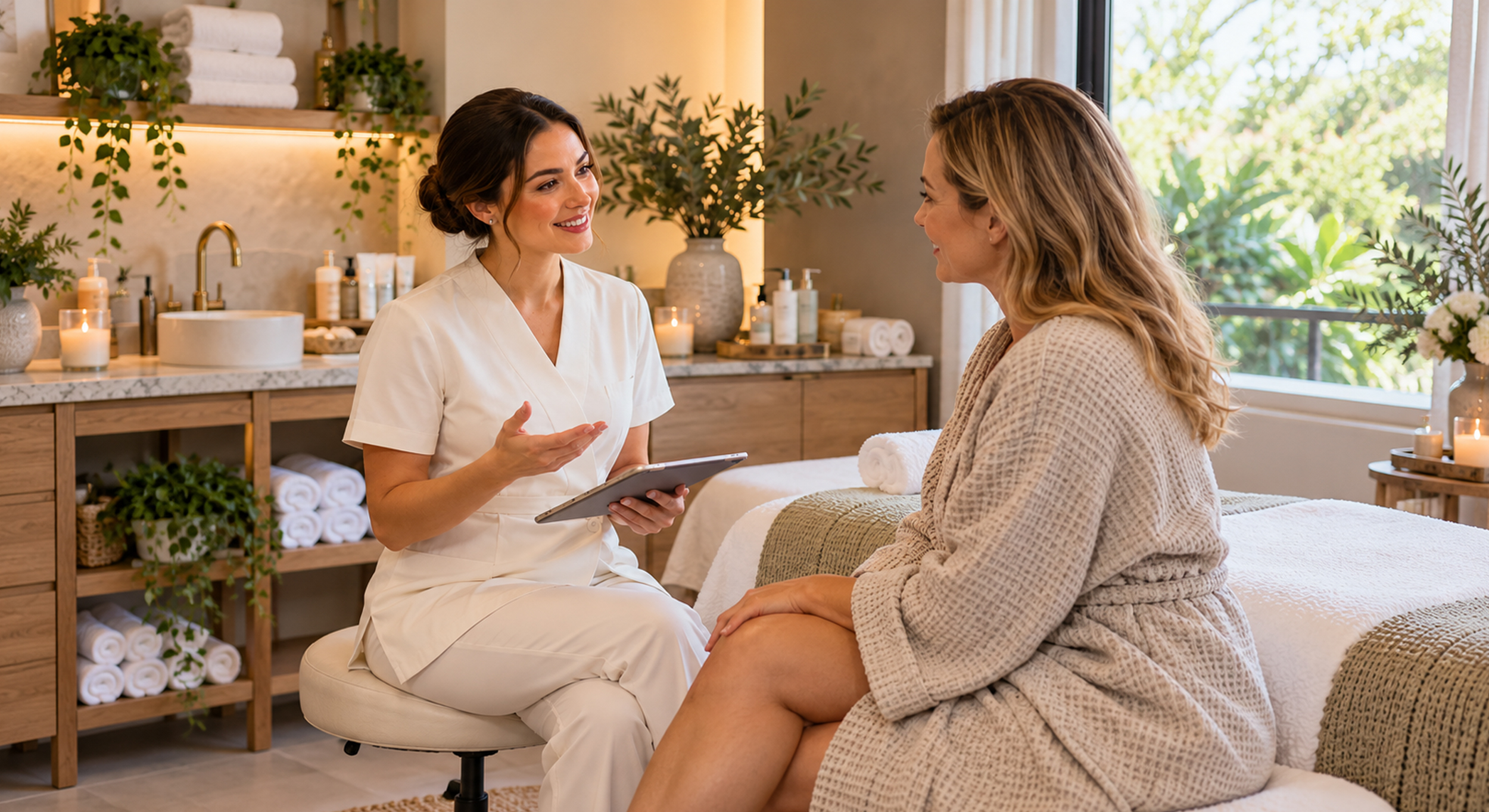
Recognizing these differences allows estheticians to create experiences that feel genuinely individualized.The consultation is an important starting point. Along with discussing skin concerns and treatment goals, practitioners can ask clients about their sensory preferences, previous spa experiences, and what they hope to gain from the appointment.
Simple questions such as, “Would you prefer a quiet treatment today?” or “Is there anything that would make you more comfortable?” can help establish trust and give clients greater control over their experience.
Personalization also involves remembering details over time. Recording relevant preferences in client notes can make subsequent visits feel more seamless.When clients do not have to repeatedly explain their needs, they may feel that their practitioner truly understands them.
Hospitality Is More Than Luxury
Exceptional hospitality is often associated with high-end hotels and luxury resorts, but it is not exclusive to businesses with large budgets.In the treatment room, hospitality is the practice of anticipating needs, creating comfort, and making clients feel genuinely welcomed.
A thoughtful greeting, clear appointment instructions, a comfortable treatment table, and an organized checkout process can all contribute to a positive experience.Small gestures can be particularly meaningful when they demonstrate attentiveness rather than extravagance.
For example, offering a client a choice of blanket, checking the room temperature, providing a place for personal belongings, or allowing adequate time to transition out of the treatment can communicate care.Equally important is consistency.
A beautifully decorated treatment room cannot compensate for repeated scheduling confusion, rushed consultations, or poor communication. Hospitality must extend across the entire client journey, from online booking and appointment reminders to follow-up messages and home-care guidance.
Clients should feel that their time, comfort, and concerns are respected at every stage.For independent estheticians, this level of attention can become a significant competitive advantage.
The Atmosphere of the Treatment Room
The physical environment plays an important role in shaping the spa experience.Lighting, sound, scent, temperature, textures, and overall cleanliness influence how clients perceive a space and how comfortable they feel within it.
Soft lighting may create a sense of calm, while thoughtfully selected music can establish a consistent atmosphere. Comfortable linens, appropriate room temperature, and an uncluttered environment contribute to the overall experience.
However, sensory design should not be approached as a universal formula.Aromatherapy, for example, may enhance relaxation for some clients but cause discomfort for those with fragrance sensitivities, migraines, or certain respiratory conditions.Providing options, including fragrance-free experiences, is an important part of inclusive hospitality.
The treatment room should also reflect the identity of the business. A corrective skincare studio may prioritize a clean, professional environment, while a holistic spa may incorporate natural materials, softer textures, and ritual-inspired elements.Neither approach is inherently superior. What matters is that the atmosphere supports the experience being promised.Consistency between branding, communication, physical space, and service delivery helps establish a recognizable identity that clients can connect with.
The Emotional Value of Human Connection
Although skincare is often discussed in terms of ingredients, devices, and visible outcomes, the relationship between esthetician and client remains an essential part of the profession.Clients may arrive feeling self-conscious about their skin, overwhelmed by conflicting advice, or frustrated by treatments that have not delivered their desired results.
An esthetician who listens attentively, communicates without judgment, and sets realistic expectations can help create a more supportive environment.This does not mean practitioners must become counselors or assume responsibility for a client’s emotional well-being. Rather, it means recognizing the importance of empathy, professional boundaries, and respectful communication.
Trust is built through consistent actions.Explaining why a treatment is recommended, obtaining informed consent, respecting a client’s preferences, and acknowledging when a referral is necessary all demonstrate professionalism.
When clients feel comfortable asking questions and expressing concerns, the relationship becomes more collaborative.In a profession built around close personal interaction, these qualities can be just as memorable as the products used during an appointment.
Creating Signature Moments
Memorable experiences often contain distinctive elements that clients begin to associate with a particular business.These signature moments do not have to be elaborate or expensive.
An esthetician might begin each treatment with a brief breathing exercise, incorporate a warm hand compress, offer a customized scalp massage, or conclude the appointment with a thoughtful home-care review.The purpose is not to add unnecessary steps, but to create a sense of intention and continuity.
A signature ritual should complement the practitioner’s treatment philosophy and remain appropriate for the client’s preferences.For a results-oriented practice, this might mean a particularly thorough skin analysis and personalized progress review. For a wellness-focused studio, it could involve a gentle transition into the treatment through calming sensory elements.
What makes these moments effective is their authenticity.Clients can often recognize when an experience has been designed thoughtfully rather than assembled from trends.
The Business Value of an Exceptional Experience
Investing in the client experience is not simply about creating a pleasant atmosphere. It can also support important business objectives.Clients who feel understood and valued may be more likely to return, recommend the business to others, and remain engaged with professional skincare recommendations.
A consistent experience can also help businesses communicate their value without relying exclusively on discounts or competing on price.However, creating an elevated experience does not necessarily require extending treatment times or increasing operational expenses.
Estheticians can begin by evaluating their existing client journey.Consider the booking process, arrival experience, consultation, treatment transitions, checkout, and follow-up communication. Identify moments where clients may experience confusion, discomfort, or unnecessary waiting.
Client feedback can provide valuable insight into which details matter most.
Rather than assuming that every client wants additional massage or luxury amenities, practitioners should pay attention to what their particular clientele values.The most effective improvements are often those that make the experience more intuitive, comfortable, and personalized.
Beyond the Treatment
As professional skincare continues to evolve, technical skill and product knowledge will remain essential. Clients still expect safe treatments, informed recommendations, and realistic approaches to their skin concerns.Yet the future of successful spa businesses may depend equally on how those services are delivered.
An exceptional client experience is built through personalization, thoughtful hospitality, professional communication, and attention to detail.It is not defined by the price of the facial, the number of products used, or the sophistication of the treatment room.
Instead, it is reflected in the client’s overall impression of the visit and the relationship developed over time.Clients may initially book an appointment for their skin, but the experience they have along the way can become one of the most compelling reasons they return.
Read More…
-

The Experience Economy: Why Clients Want More Than a Facial
31 October, 2026 -

The Forgotten Areas: Neck, Décolleté, Hands, and Body
31 October, 2026 -
Essential Oils, Almost 29 Years Later
31 October, 2026 -

Beyond the Face
31 October, 2026 -

The Holiday Booking Conversation Starts Now
30 September, 2026 -

Make Memberships Feel Relevant in Fall
30 September, 2026 -
Are Seasonal Specials Actually Profitable?
30 September, 2026 -

The Treatment Room Upgrade Guide
31 August, 2026 -

The New Era of Skin Analysis
31 August, 2026 -

High-Tech, High-Touch
31 August, 2026