


By Aurora Solis
Luxury has evolved. While beautiful interiors, premium skincare lines, and state-of-the-art technology will always have a place within the spa industry, today’s clients are increasingly defining luxury by something far less tangible. In a world where schedules are overbooked, notifications are constant, and genuine moments of stillness have become increasingly rare, the most memorable treatment experiences are no longer built solely on what clients see, but they are built on what they feel.
This shift presents a remarkable opportunity for estheticians. While treatment results remain the foundation of every successful practice, the overall client experience has become one of the industry’s greatest differentiators. Clients may initially book a facial because they want clearer skin, brighter pigmentation, or improved firmness, but they often return because of something much more difficult to describe. They remember the sense of calm they felt as they entered the room, the warmth of freshly prepared towels, the familiar aroma that greeted them at the door, and the feeling that, for an hour, someone had thoughtfully anticipated their every need.
Creating that level of experience rarely requires an extravagant budget. Instead, it requires intentionality. Every interaction, every transition, and every sensory detail contributes to the story a client unconsciously tells themselves about your practice. When each of the five senses is considered with care, a facial transforms from a service into an experience that lingers long after the appointment has ended.
The Power of First Impressions: What Clients See
The client’s visual experience begins long before the treatment itself. Within moments of entering a space, they begin forming impressions about the quality of care they are about to receive. A thoughtfully designed treatment room communicates professionalism, cleanliness, and attention to detail without a single word being spoken. This does not necessarily mean investing in luxury finishes or designer furnishings. Rather, it means creating visual harmony through intentional choices. Warm lighting softens the clinical feeling that harsh overhead fixtures often create, while cohesive color palettes, organized retail displays, neatly folded linens, and uncluttered workspaces signal that every aspect of the environment has been carefully considered. These seemingly subtle decisions establish trust before the treatment has even begun.
The Sound of Stillness
Sound is equally influential, although it often receives far less attention than visual design. Music has the remarkable ability to influence emotional state, helping clients transition from the demands of their day into a space of rest and presence. A carefully curated playlist that reflects the personality of the practice creates a far more memorable atmosphere than generic background music chosen simply to fill silence. At the same time, luxury sometimes lies in the absence of sound altogether. Many clients spend every waking moment surrounded by conversation, traffic, notifications, and constant stimulation. Offering periods of uninterrupted quiet during a treatment can become one of the most restorative aspects of the experience. Managing outside noise, minimizing interruptions, and allowing silence to exist comfortably communicates a level of confidence and attentiveness that clients deeply appreciate.
Creating a Signature Through Scent
Few sensory experiences create stronger emotional memories than scent. The olfactory system is directly connected to the parts of the brain responsible for memory and emotion, which is why a familiar aroma can instantly transport someone back to a specific place or moment in time. For estheticians, scent offers the opportunity to create an unmistakable signature that becomes associated with the entire treatment experience. Whether through subtle essential oil diffusion, freshly laundered linens, or warm herbal towels, fragrance should enhance the environment rather than overpower it. The goal is not to create an obvious perfume, but to establish a gentle sensory identity that clients subconsciously begin to associate with feelings of comfort, relaxation, and care.
The Lasting Impact of Touch
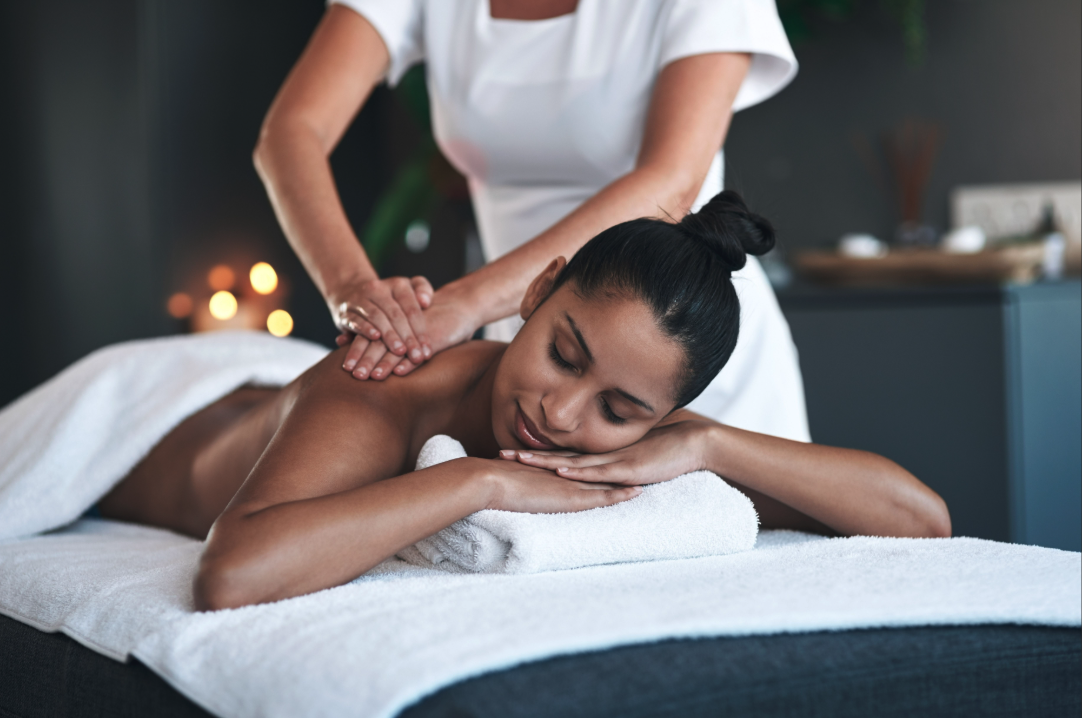
Touch, perhaps more than any other sense, remains the esthetician’s greatest advantage. While technology continues to reshape the industry through increasingly sophisticated devices and innovative treatment modalities, nothing has replaced the therapeutic value of intentional human touch. Clients rarely remember every product layered throughout a facial, but they almost always remember how the treatment felt. The confidence of the practitioner’s hands, the warmth of a compress, the softness of freshly laundered linens, the support of a perfectly positioned pillow, and the gentle rhythm of facial massage all contribute to an experience that extends far beyond skin health. Every point of contact communicates presence, professionalism, and genuine care, transforming routine treatment steps into moments that clients carry with them long after they leave the treatment room.
Hospitality Extends Beyond the Facial
Taste is perhaps the most overlooked element of the luxury experience, yet it offers one of the simplest opportunities to extend hospitality. Offering a cup of herbal tea before or after a treatment, infused water prepared with seasonal ingredients, or another thoughtful refreshment invites clients to slow down rather than immediately returning to the pace of everyday life. These gestures require very little investment, yet they reinforce an important message: this experience was designed with intention, and your comfort matters beyond the treatment itself.
Luxury Doesn’t Require a Luxury Budget
Perhaps the most encouraging aspect of creating a luxury experience is recognizing that it does not depend on expensive renovations or elaborate design budgets. Many of the details clients remember most require very little financial investment. Replacing harsh overhead lighting with warm ambient lamps, investing in high-quality linens, organizing products into cohesive containers, introducing fresh greenery, curating music that reflects the practice’s personality, or establishing a thoughtful closing ritual can dramatically elevate the client’s perception of value. Luxury is rarely defined by extravagance; rather, it emerges through consistency, intentionality, and an unwavering commitment to making each guest feel genuinely cared for.
The Feeling Clients Remember
As client expectations continue to evolve, estheticians who understand the importance of sensory design will distinguish themselves in ways that extend well beyond treatment outcomes. Beautiful skin may bring a client through the door, but an unforgettable experience is what inspires them to return, recommend the practice to others, and remember your treatment long after they have forgotten the products that were used. Ultimately, the most meaningful luxury is not found in what a client purchases, but it is found in how thoughtfully they are made to feel.
Read More…
-

The Holiday Booking Conversation Starts Now
30 September, 2026 -
Make Memberships Feel Relevant in Fall
30 September, 2026 -
Are Seasonal Specials Actually Profitable?
30 September, 2026 -
The Treatment Room Upgrade Guide
31 August, 2026 -

The New Era of Skin Analysis
31 August, 2026 -

High-Tech, High-Touch
31 August, 2026 -
Why Emotional Safety Is Becoming the New Luxury
31 July, 2026 -
Creating Signature Rituals That Define Your Brand
31 July, 2026