



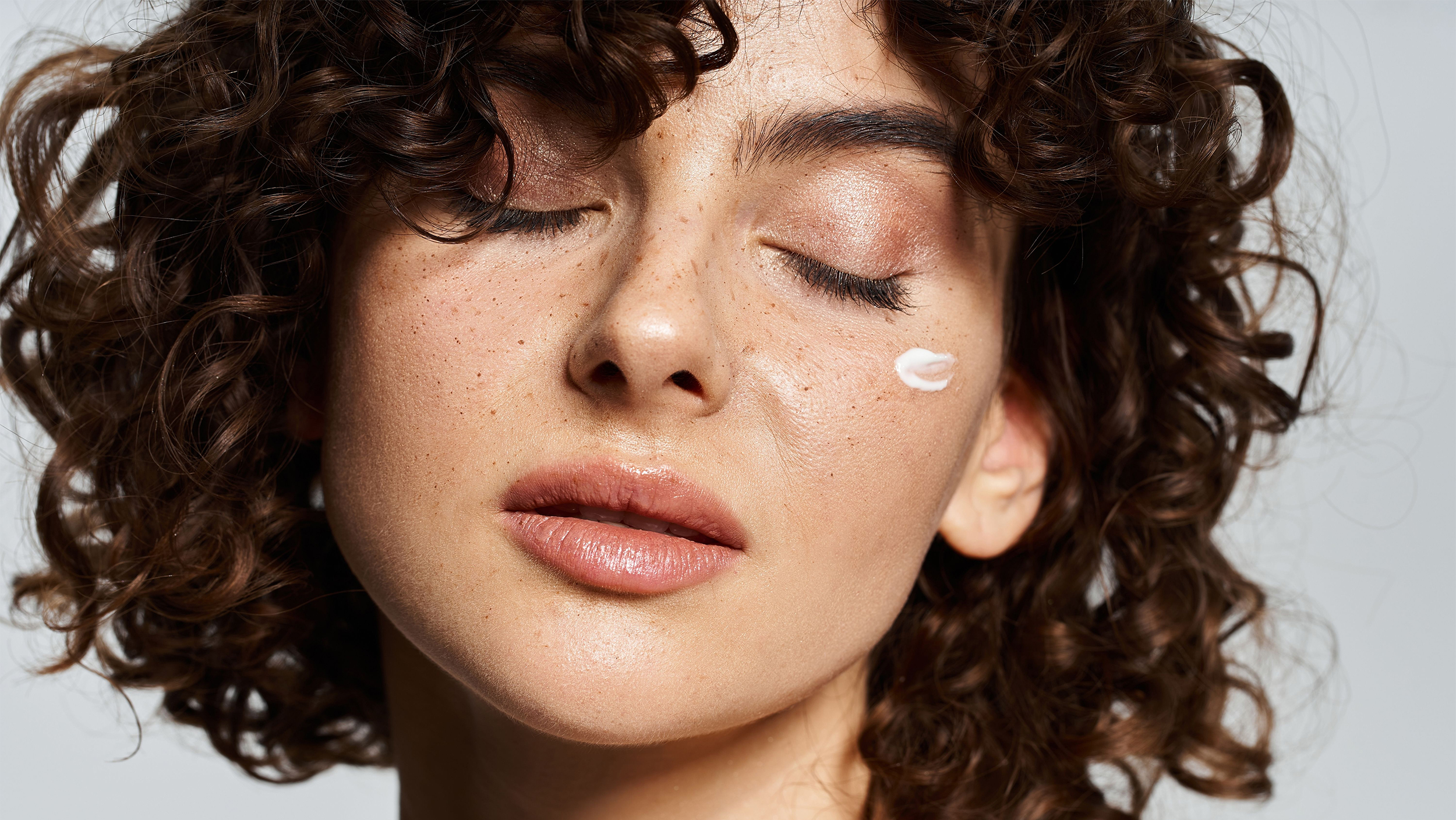
How Emotional Suppression Shows Up on the Skin
by Aurora Solis
There is a quiet pattern that unfolds in the treatment room, one that cannot always be measured by a magnifying lamp or captured in a before and after photo. A client presents with persistent breakouts, inflammation that lingers longer than expected, or skin that never quite settles despite consistent care. On paper, everything appears to be in place. The routine is solid. The treatments are well chosen. And yet, the skin resists.This is where the conversation deepens. Because not all skin concerns begin at the surface. Some begin in what is held beneath it.
Emotional suppression, whether conscious or not, has a way of expressing itself through the body. And the skin, as one of the body’s most responsive organs, often becomes the place where that expression is seen.
The Skin as a Reflective Organ
Skin is not just a protective barrier. It is a communicator. It reflects internal shifts in real time, responding to hormonal changes, environmental triggers, and emotional states with remarkable sensitivity.When emotions are processed and released, the body maintains a level of balance. But when emotions are consistently pushed down or ignored, they do not disappear. They are stored. Over time, this can create a subtle but ongoing state of tension within the body.
This tension often shows up physically. Tightness in the jaw. Holding in the brow. Shallow breathing. A constant sense of bracing, even at rest.These patterns may seem small, but they have a cumulative effect. Circulation becomes restricted. Lymphatic flow slows. Inflammation becomes easier to trigger and harder to resolve. The skin, in turn, begins to reflect this internal holding.
Breakouts, Inflammation, and Emotional Holding
There is no single emotional cause of acne, but there are patterns worth observing.Clients who experience chronic stress or emotional suppression often present with breakouts that are cyclical yet unpredictable. The skin may improve during periods of calm, only to flare again when internal pressure builds.
Inflammatory acne, in particular, can be linked to heightened stress responses within the body. When the nervous system remains in a prolonged state of activation, cortisol levels stay elevated. This can increase oil production, disrupt the skin barrier, and slow the healing process.But beyond the biochemical response, there is also a physical one.
Tension held in the face can impact how the skin functions. Jaw clenching can contribute to congestion along the lower face. Furrowed brows can affect circulation in the forehead. Even habitual facial expressions can influence how fluid moves through the tissues.Over time, this creates an environment where the skin is not only reacting internally, but also physically restricted.
The Link Between Burnout and Skin Health
Burnout is often described in terms of exhaustion, but its impact extends far beyond energy levels. It affects how the body regulates, repairs, and responds to stress.Clients experiencing burnout may notice that their skin feels more reactive, more sensitive, and slower to heal. Breakouts linger. Redness persists. Treatments that once worked no longer seem as effective.
This is not a coincidence.When the body is depleted, it prioritizes essential functions. Skin health becomes secondary. Regeneration slows, inflammation increases, and the barrier becomes more vulnerable.In this state, even well intentioned treatments can feel overwhelming to the skin. What is needed is not more intensity, but more support.
Shifting the Approach in the Treatment Room
Recognizing the role of emotional suppression does not mean turning the treatment room into a therapy session. It means creating an environment where the body can begin to soften.The pace of the treatment matters. Slower, more intentional movements can help signal safety to the nervous system. Facial massage becomes more than a technique. It becomes a way to release stored tension and encourage flow.
Working through areas of tightness, particularly the jaw, temples, and scalp, can have a noticeable impact. As tension releases, circulation improves. Lymphatic movement increases. The skin begins to look and feel different, not just because of the products used, but because of the state the body has shifted into.Even small moments, like allowing silence during a treatment or guiding a client to take a deeper breath, can support this shift.
Supporting Clients Beyond the Surface
Outside of the treatment room, education becomes a tool for awareness.Clients do not need to be told to stop feeling stressed or to suddenly change their emotional patterns. Instead, they can be gently guided to notice how their internal state may be influencing their skin.
Simple practices, like creating a consistent skincare ritual rather than a rushed routine, can begin to change the relationship they have with their skin. Encouraging moments of pause, even briefly throughout the day, can support regulation.
It is also important to address habits that often accompany emotional suppression, such as skin picking. This behavior is not just about the skin itself, but about how the body is attempting to release or cope with internal tension.Approaching this with understanding, rather than correction, allows for more meaningful change.
A More Integrated Perspective on Skin Health
The goal is not to replace traditional acne treatments or corrective protocols. It is to expand them.When emotional patterns are acknowledged as part of the picture, the approach becomes more complete. Treatments become more supportive. Results become more sustainable.Clients begin to feel seen, not just for their skin, but for the patterns that influence it. This builds trust, which in turn supports consistency and long term progress.
Where True Change Begins
Skin will always respond to what is happening beneath the surface. When emotional suppression is present, the skin may carry that weight in ways that are not immediately obvious, but deeply felt. By recognizing these connections, estheticians have the opportunity to shift the narrative. To move beyond treating breakouts as isolated events and begin addressing the environment they are forming in. Because when the body is given space to release what it has been holding, the skin often follows. And what once felt like a constant cycle of breakouts can begin to soften into something far more stable, supported, and clear.
Read More…
-

The Holiday Booking Conversation Starts Now
30 September, 2026 -

Make Memberships Feel Relevant in Fall
30 September, 2026 -
Are Seasonal Specials Actually Profitable?
30 September, 2026 -

The Treatment Room Upgrade Guide
31 August, 2026 -

The New Era of Skin Analysis
31 August, 2026 -

High-Tech, High-Touch
31 August, 2026 -

Why Emotional Safety Is Becoming the New Luxury
31 July, 2026 -

Creating Signature Rituals That Define Your Brand
31 July, 2026