


Elevating results through touch, regulation, and ritual
by Samantha Garcia
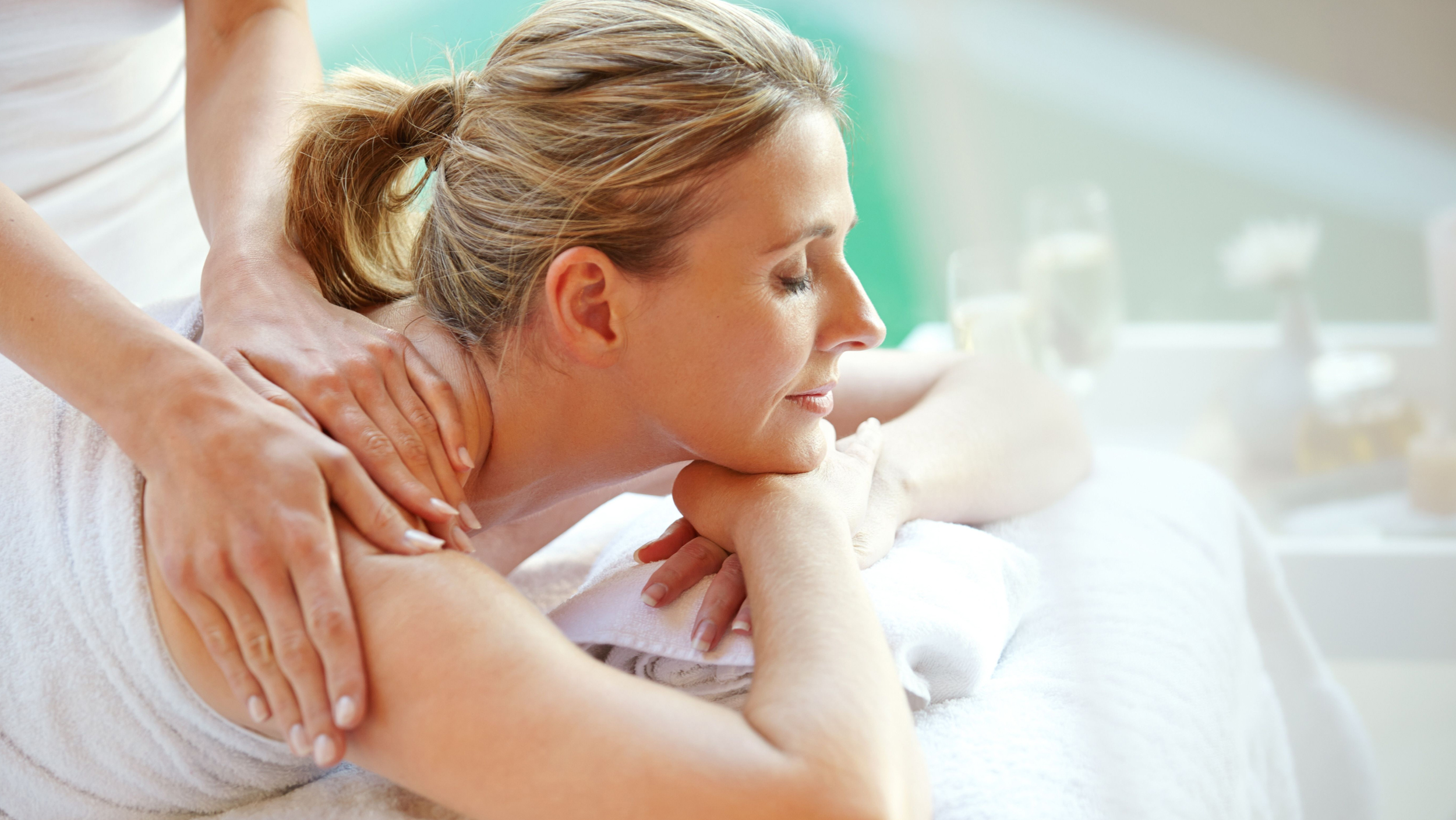
There is a shift happening in treatment rooms across the industry. Clients are no longer seeking only visible results. They are seeking an experience that feels grounding, restorative, and deeply supportive. They want their skin to improve, but they also want to leave feeling different in their body.Holistic modalities are what bridge that gap. They allow estheticians to move beyond surface-level care and into treatments that support circulation, the nervous system, and the overall state the skin exists within. When thoughtfully integrated, these approaches do not replace corrective work. They enhance it. In this article, you will find key holistic modalities that can be seamlessly incorporated into your treatment room to elevate both results and experience.
Lymphatic Drainage Facial Massage
Lymphatic drainage is one of the most impactful yet underutilized techniques in modern esthetics. This gentle, rhythmic massage supports the movement of lymph fluid, helping to reduce puffiness, clear stagnation, and improve overall skin clarity. When lymph flow is sluggish, waste and fluid can build up in the tissues, leading to congestion, dullness, and inflammation. By encouraging proper drainage, the skin becomes clearer, more sculpted, and better able to function. This technique is especially beneficial for acne-prone, puffy, or inflamed skin, and can be incorporated at the beginning of a treatment to prepare the skin for deeper work.
Facial Sculpting and Muscle Release
Facial tension is one of the most overlooked contributors to aging and stagnant skin. Tightness in the jaw, cheeks, and forehead can restrict circulation, limit oxygen flow, and create patterns that lead to fine lines and dullness. Facial sculpting techniques focus on releasing this tension through deeper, intentional massage. The result is improved circulation, enhanced product absorption, and a more lifted, contoured appearance. Beyond the physical benefits, this modality also has a profound effect on the nervous system. As muscles release, the body begins to shift into a more relaxed state, allowing the skin to respond more effectively to treatment.
Breathwork Integration
Breath is one of the simplest and most powerful tools for regulating the nervous system, yet it is rarely utilized in the treatment room. Guiding a client through even a few slow, intentional breaths at the beginning of a facial can help shift them out of a stress response and into a state of calm. This transition supports circulation, reduces inflammation, and allows the body to be more receptive to the treatment. Breathwork does not need to be complex. A simple cue to inhale deeply through the nose and exhale slowly through the mouth can create a noticeable shift in the overall experience.
Cold Therapy and Cryo Techniques
Cold therapy offers both immediate and long-term benefits for the skin. It helps reduce inflammation, tighten the appearance of pores, and stimulate circulation through contrast. Incorporating tools such as chilled globes or cryo sticks can enhance the sculpting phase of a facial while also calming reactive or acne-prone skin. The cooling sensation also has a soothing effect on the nervous system, making it an ideal addition toward the end of a treatment. This modality is particularly effective when paired with lymphatic work, as it helps to further refine and define the skin.
Aromatherapy for Nervous System Support
Scent has a direct connection to the brain, making aromatherapy a powerful yet subtle way to influence the treatment experience. Essential oils such as lavender, neroli, or chamomile can help promote relaxation, while citrus notes can gently uplift and energize. Incorporating aromatherapy through steam, towels, or a light application can enhance both the emotional and physical benefits of a facial. When clients associate your treatment room with a specific scent, it also creates a sensory memory that deepens their connection to the experience.
Gentle Energy-Based Practices
While remaining within scope, estheticians can incorporate subtle energetic awareness into their treatments. This may look like setting an intention before beginning, maintaining a grounded presence, or using slow, mindful touch. The way a treatment is delivered matters just as much as the steps themselves. Clients can feel when a practitioner is rushed versus when they are fully present. This presence creates a sense of safety, which allows the nervous system to relax and the body to receive. Energy work does not need to be labeled or formalized to be effective. It exists in the intention behind every movement.
Facial Tools for Circulation and Flow
Tools such as gua sha stones, facial cups, and rollers can be used to enhance circulation, support lymphatic movement, and release tension. Gua sha, in particular, is known for its ability to sculpt and define the face while encouraging healthy blood flow. Facial cupping can gently lift the tissues and stimulate movement within the skin. These tools should be used with intention and proper technique to avoid overstimulation. When integrated correctly, they add another layer of depth to the treatment.
Barrier-Supportive Skin Rituals
Holistic esthetics is not only about adding modalities, but also about how products are used. Focusing on barrier-supportive ingredients and gentle application techniques ensures that the skin is being strengthened, not stressed. This includes avoiding over-exfoliation, layering hydration, and allowing time for products to absorb.
Turning the skincare portion of the facial into a ritual, rather than a rushed sequence, enhances both the effectiveness of the products and the overall experience.
Sound and Frequency in the Treatment Room
The environment plays a significant role in how a client feels during a treatment. Sound, in particular, can influence the nervous system in subtle but powerful ways.S oft music, nature sounds, or frequency-based tracks can help create a calming atmosphere that supports relaxation. The goal is to reduce external stimulation and allow the client to fully settle into the experience. Even the absence of sound, when used intentionally, can create moments of stillness that deepen the treatment.
Post-Treatment Integration and Client Guidance
Holistic care extends beyond the treatment itself. Providing clients with simple, supportive guidance for aftercare helps maintain the results achieved in the treatment room. This may include encouraging hydration, rest, gentle skincare routines, and moments of pause throughout their day. The goal is not to overwhelm, but to reinforce the state of balance created during the facial. When clients leave with a sense of understanding and connection to their skin, they are more likely to remain consistent and see long-term improvement.
Bringing It All Together
Incorporating holistic modalities is not about adding more for the sake of it. It is about being intentional with every element of the treatment. When touch is slower, when the environment feels safe, and when the skin is supported rather than pushed, results begin to change. The skin becomes clearer, more resilient, and more responsive. But perhaps more importantly, the client feels it. They leave not only looking different, but feeling different. And that is what transforms a facial from a service into an experience clients return to again and again.
Read More…
-

The Treatment Room Upgrade Guide
31 August, 2026 -

The New Era of Skin Analysis
31 August, 2026 -

High-Tech, High-Touch
31 August, 2026 -
Why Emotional Safety Is Becoming the New Luxury
31 July, 2026 -
Creating Signature Rituals That Define Your Brand
31 July, 2026 -

KPIs Every Esthetician Should Track Monthly
30 June, 2026 -

How to Calculate Your Hourly Worth as an Esthetician
30 June, 2026