



How modern esthetics is blending biochemistry, barrier science, and regenerative treatments
by Aurora Solis
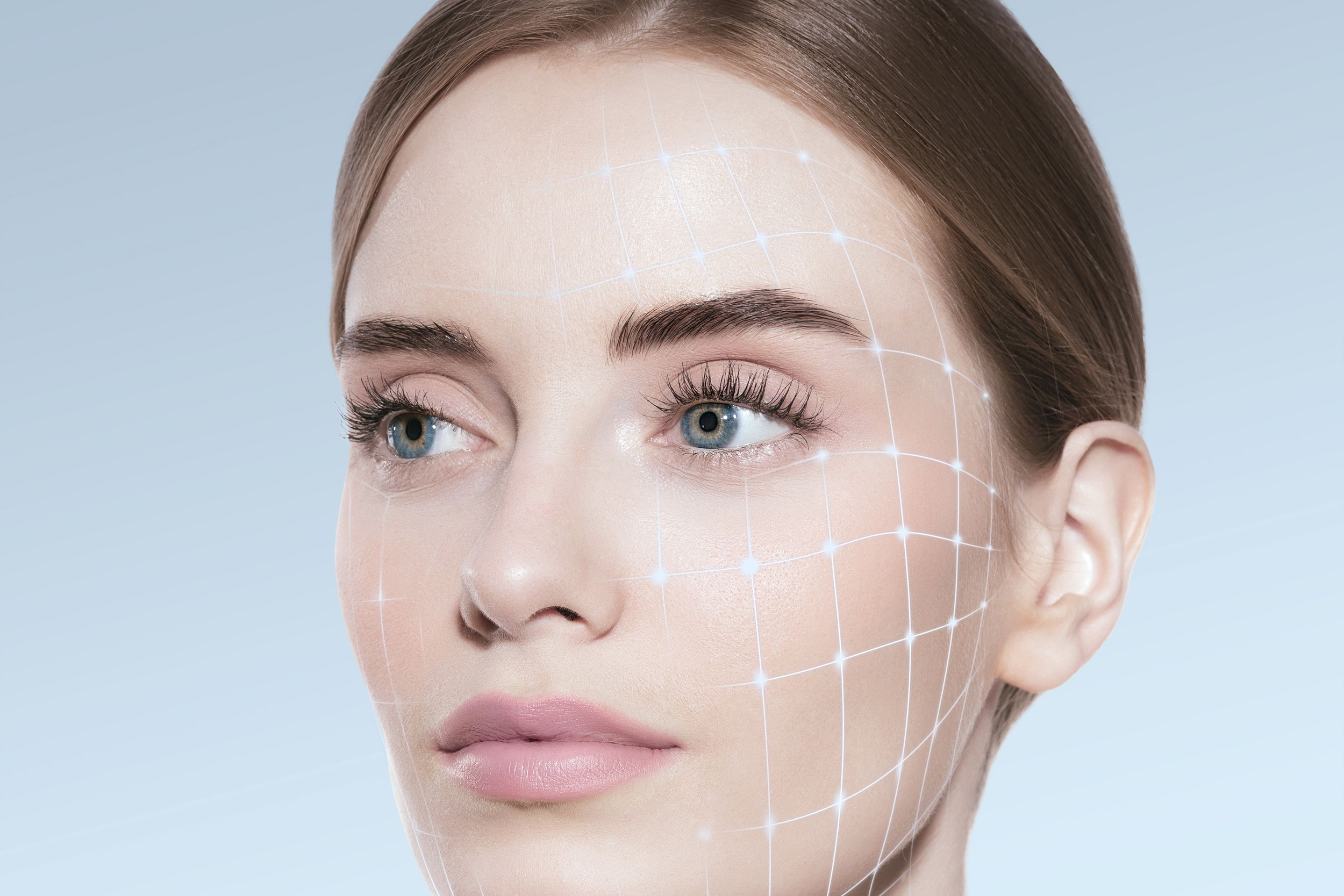
Esthetics is undergoing a quiet but profound transformation. The industry is steadily moving away from surface-level correction and toward a deeper, more nuanced understanding of how skin functions, heals, and communicates. This new age of skin science is not defined by a single breakthrough ingredient or device, but by the convergence of biochemistry, barrier science, and regenerative principles that together are reshaping professional practice.
For years, progress in esthetics was measured by visible change. Faster exfoliation, deeper stimulation, and more aggressive correction were often equated with better results. While these approaches produced outcomes in many cases, they also revealed limitations. Chronic inflammation, prolonged sensitivity, and compromised barriers became increasingly common, especially as clients layered multiple treatments and products in pursuit of faster transformation.
Today’s skin science recognizes a critical truth. Skin cannot regenerate optimally in an environment of constant stress. Long-term results require balance, communication, and support at a cellular level.
Moving Beyond Controlled Injury
Traditional corrective treatments relied heavily on controlled injury to trigger renewal. Chemical peels, mechanical exfoliation, and aggressive resurfacing worked by pushing the skin into repair mode. While effective, this approach often assumed the skin’s ability to rebound indefinitely.
As research advanced, it became clear that repeated inflammation alters how the skin responds over time. Barrier disruption, impaired lipid production, and heightened immune reactivity can reduce tolerance and compromise results. Modern esthetics now acknowledges that stimulation alone is not enough. The skin must be capable of receiving and integrating that stimulation without tipping into dysfunction.
This shift has prompted professionals to reconsider not only how treatments are performed, but how they are sequenced, supported, and maintained.
The Role of Biochemistry in Modern Treatments
Biochemistry has become central to the way estheticians plan and deliver services. Understanding how ingredients interact with cellular processes is no longer reserved for formulators and researchers. It is increasingly essential for practitioners working with advanced and compromised skin.
Inflammation is no longer viewed simply as something to suppress, but as a biological signal that must be resolved appropriately. Cellular communication, enzymatic activity, and signaling pathways now inform ingredient selection and protocol design. Treatments are being tailored not just to a skin type, but to the skin’s current physiological condition.
This biochemical perspective allows estheticians to make more precise decisions. Instead of asking what will create the strongest response, the question becomes what the skin is capable of processing and benefiting from in that moment.
Barrier Science as the Foundation of Results
At the center of this evolution is a renewed focus on the skin barrier. Once considered a passive shield, the barrier is now understood as a dynamic system responsible for hydration regulation, immune defense, and communication with the external environment.
When the barrier is compromised, the skin’s response to treatments changes dramatically. Actives penetrate unpredictably, inflammation persists longer, and recovery slows. Supporting barrier function has therefore become foundational rather than supplemental.
Modern protocols prioritize lipid replenishment, hydration balance, and microbiome support before, during, and after corrective treatments. This approach not only improves outcomes, but also increases skin tolerance over time, allowing clients to progress safely rather than cycling through irritation and repair.
Regenerative Treatments and Intelligent Repair
Regenerative treatments reflect the philosophical shift occurring across the industry. Instead of relying solely on stimulation to provoke change, these approaches aim to guide the skin toward repair through supportive signaling and protective environments.
Regeneration in this context does not mean forcing rapid turnover. It means encouraging the skin’s natural ability to heal, strengthen, and renew itself when the conditions are right. This mindset values longevity over immediacy and resilience over intensity.
By integrating regenerative principles, estheticians are able to work with a broader range of skin conditions, including those that were once considered too sensitive or compromised for advanced care.
The Evolution of the Modern Client
Clients are evolving alongside the science. Today’s consumer is more educated, more cautious, and more invested in understanding what is happening to their skin. They are seeking professionals who can explain not only what a treatment does, but why it is appropriate for their skin at that time.
This shift has elevated the role of the esthetician from service provider to educator and guide. Clear explanations rooted in science build confidence and trust, especially when working with advanced treatments or post-procedure skin.
Clients who feel informed and supported are more likely to comply with home care, return for ongoing treatments, and refer others. Education has become an integral part of the treatment experience.
A Higher Standard for the Future of Esthetics
The new age of skin science demands a higher level of professionalism. It requires estheticians to move beyond trends and marketing language and toward an integrated understanding of skin health. Knowledge of biochemistry, barrier function, and regeneration is no longer optional for those who want to remain relevant in an increasingly sophisticated industry.
Those who embrace this evolution are positioned not only to achieve better results, but to shape the future of esthetics itself. As science continues to advance, the most successful practitioners will be those who balance innovation with restraint, correction with care, and transformation with long-term skin health.
This is the future of skin science, and it is already unfolding in the treatment room.
Read More…
-

The Treatment Room Upgrade Guide
31 August, 2026 -

The New Era of Skin Analysis
31 August, 2026 -

High-Tech, High-Touch
31 August, 2026 -
Why Emotional Safety Is Becoming the New Luxury
31 July, 2026 -

Creating Signature Rituals That Define Your Brand
31 July, 2026 -

KPIs Every Esthetician Should Track Monthly
30 June, 2026 -

How to Calculate Your Hourly Worth as an Esthetician
30 June, 2026