


How retail culture, trending acids, and skincare misinformation dismantled the barrier
by Aurora Solis
Walk into any treatment room today and one trend becomes immediately clear: clients are more reactive than ever. Sensitivity, redness, inflammation, stinging, and delayed healing have quietly become the new baseline. It is not that skin has suddenly changed, but rather that the culture around skincare has. In the age of social media, instant gratification, and trending actives, exfoliation became synonymous with “results,” and the barrier became collateral damage.
When Exfoliation Became a Lifestyle
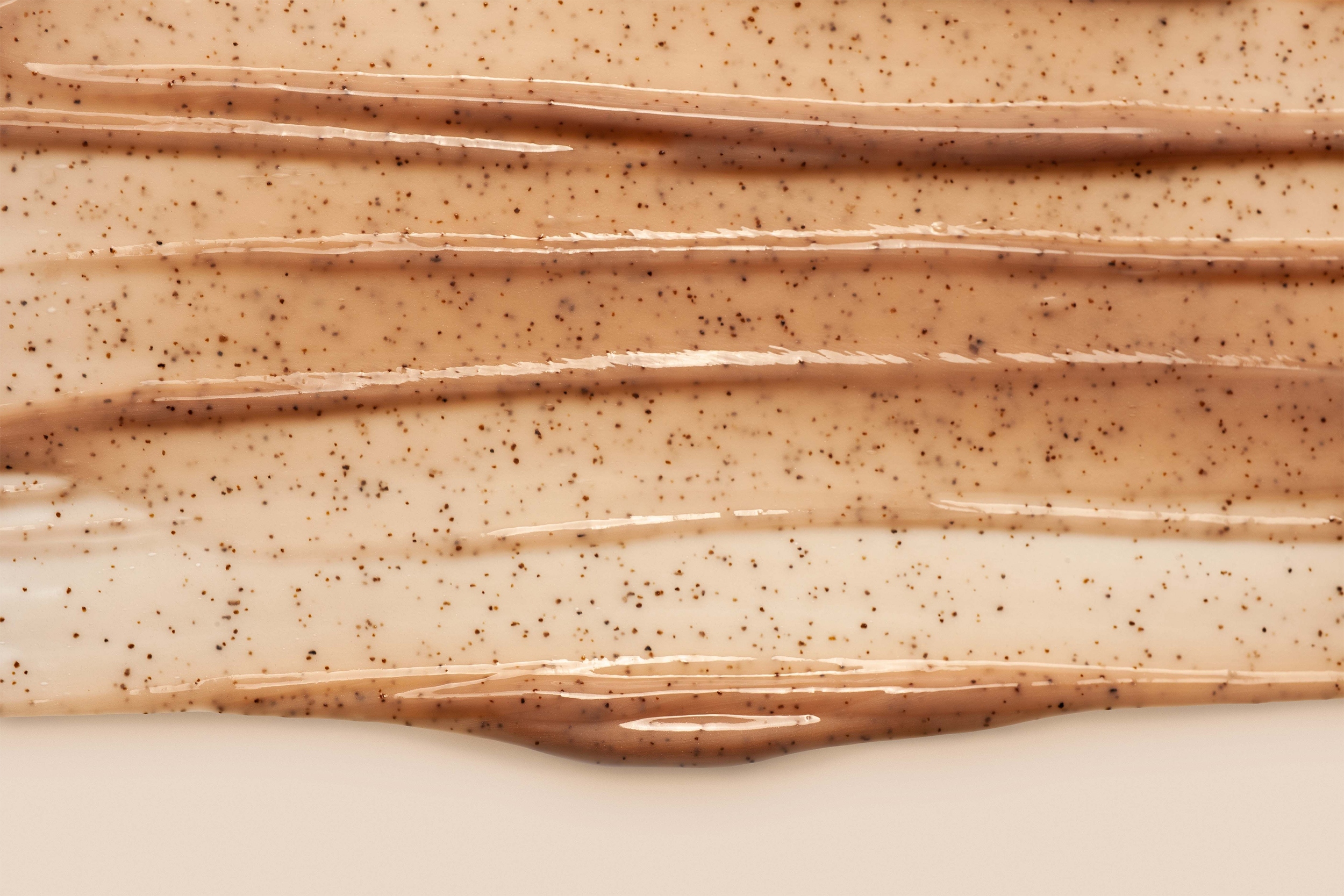
For decades, exfoliation was a tool. In recent years, it became a lifestyle. Retail marketing glamorized acids as modern-day beauty essentials, pushing daily AHAs, BHAs, enzymes, scrubs, polishing cleansers, and resurfacing masks into consumer routines without context or restraint. Layering became normalized. Strength became synonymous with sophistication. And the idea that “more is better” quietly replaced the foundational truth that healthy skin must first be intact. As a result, the average client now enters the treatment room with a compromised barrier long before any corrective work even begins.
The Misinformation Machine
The over-exfoliation epidemic did not arise from a lack of options, but from a lack of education. Social media platforms turned dermatological language into aesthetic entertainment. Influencers began recommending acid concentrations with no understanding of skin histology, pH balance, or barrier function. Viral content rewarded extremes: glass skin, poreless skin, shiny skin, peeled skin — anything that looked dramatic and immediate. But what looks smooth in a video often presents as sensitized, stripped, and dehydrated weeks later. The long-term consequences rarely go viral.
Barrier Breakdown Has Consequences
When exfoliation eclipses lipid replenishment and microbiome support, the skin’s defense systems begin to collapse. Lipid depletion disrupts ceramide formation and compromises the moisture barrier. Natural moisturizing factors become insufficient. Water loss increases. The microbiome becomes destabilized, weakening immune resilience. Inflammation rises, pigmentation lingers, acne becomes more unpredictable, and clients enter a cycle of chasing symptoms they unknowingly created. Many of the conditions estheticians now manage — rosacea-like presentations, adult acne flares, pigment dysregulation, and chronic dehydration — are not inherent disorders, but consequences of cumulative barrier impairment.
A Trust Problem for Professionals
Over-exfoliation did not just damage the skin; it damaged trust. Clients who have been conditioned to believe that exfoliation equals results often view gentle approaches as ineffective or slow. The esthetician, therefore, becomes not only a practitioner but a translator — tasked with teaching the value of repair, rest, and restraint to a population primed for instant wins and aggressive resurfacing.Rebuilding trust requires reframing the narrative: results do not come from stripping the skin, but from strengthening it.
Rehabilitation Before Correction
The modern treatment plan often begins with rehabilitation rather than correction. Replenishing lipids, restoring microbiome balance, and supporting barrier function create the foundation upon which safe stimulation can occur. Without stability, modalities like microneedling, peels, and LED cannot perform to their potential. Barrier-first esthetics is not a trend; it is a prerequisite for meaningful long-term results.
The future of esthetics is moving away from aggressive “quick fixes” and toward an approach that honors both physiology and longevity. When estheticians guide clients through periods of restoration — and when clients realize their skin feels calmer, more hydrated, more resilient, and more predictable — they begin to understand that true results require partnership, not punishment.The industry is learning that the glow everyone is seeking does not come from stripping the skin, but from supporting it.
A Movement Toward Integration
The over-exfoliation epidemic has forced a reckoning within the beauty space. It has highlighted the importance of education, the necessity of professional oversight, and the limitations of retail trends detached from biology. More importantly, it has opened the door to an integrated model of care that blends science, restraint, and respect for the skin’s natural intelligence. As the pendulum swings, estheticians hold the power to redefine what “good skin” means — not just smooth or bright, but resilient, regulated, and capable of healing itself.
What began as a search for radiance became a pattern of depletion. But depletion is not the end of the story. With thoughtful repair, intelligent sequencing, and barrier-focused treatment plans, estheticians can guide clients out of the over-exfoliation cycle and into a new era of healthy, enduring beauty.
Read More…
-

The Client Experience Blueprint
31 March, 2026 -
From Posting to Profit
31 March, 2026 -

Building Stronger Businesses Through Strategic Partnerships
31 March, 2026 -

Trending Ingredients 2026
28 February, 2026 -
The New Age of Skin Science
28 February, 2026 -
The Art of the Stack
28 February, 2026 -

Post – Procedure Skin
28 February, 2026 -

Understanding Menopausal Skin
31 January, 2026 -
The Over-Exfoliation Epidemic
31 January, 2026 -

The Algorithm vs. The Expert
31 January, 2026