


What Really Creates a Glow in Photos
by Aurora Solis
We’ve all seen it—the viral “glass skin” photos, the poreless close-ups, the radiant post-facial selfies. But behind every glowing before-and-after image lies a combination of technique, skin biology, and intelligent product layering. As estheticians, understanding the anatomy of a real glow (versus a filtered one) gives us the power to deliver results clients can see instantly and maintain long-term.
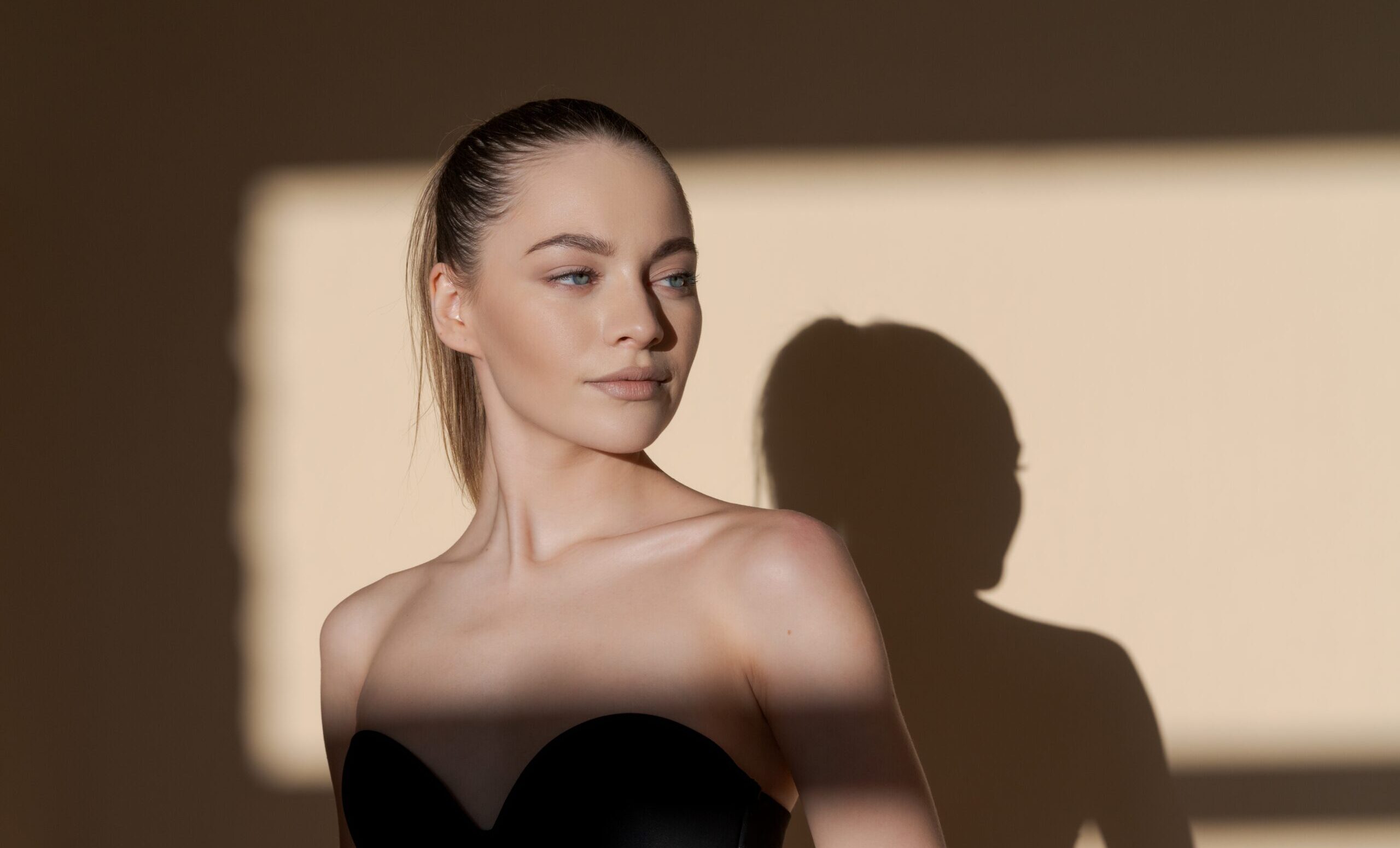
Here’s the truth: glow isn’t a single product or step. It’s the sum of hydration, circulation, barrier integrity, and light reflection. In professional photography, these elements determine whether skin looks dull… or luminous.
This breakdown gives estheticians the tools to create camera-ready skin every time.
-
Light Reflection Begins With Hydration
Hydrated skin reflects light more evenly, giving the appearance of luminosity.
When skin is dry or dehydrated, light scatters unevenly across the surface, creating shadows and emphasizing texture.
To maximize hydration before photos or facials:
• Use humectants like glycerin, hyaluronic acid, and panthenol
• Finish with occlusives to trap water
• Incorporate hydrating mists or toners between layers
In before-and-after photography, hydration is often the difference between a flat, matte complexion and a dewy glow.
-
Microcirculation = Instant Radiance
Glow is tied directly to blood flow. Treatments that stimulate microcirculation bring visible warmth, vibrancy, and a “lit from within” look.
Top circulation-boosting techniques:
• Lymphatic drainage
• Buccal sculpting
• Gua sha
• Manual stimulation around the cheekbones and jaw
• Contrasting-temperature therapies
Even five minutes of skilled massage can transform a before-and-after capture.
-
The Barrier Makes or Breaks the Photo
A compromised barrier scatters light poorly, emphasizes texture, and creates dullness. In contrast, a strong barrier creates smooth, even, radiant skin.
Treat the barrier before chasing glow:
• Use ceramides, fatty acids, and cholesterol
• Avoid harsh acids immediately before content days
• Repair irritation before brightening
Healthy skin photographs beautifully and clients feel more comfortable, too.
-
The Role of Surface Texture
Texture changes the way light hits the face.
While no treatment can erase texture in a single session, you can dramatically soften how it appears in photos.
Strategies estheticians use:
• Gentle enzymatic exfoliation (not aggressive peels)
• Dermaplaning for a smooth canvas
• Microcurrent to reduce puffiness and tighten
• Hydrating masks that plump the surface
Remember: smooth does not mean stripped. Over-exfoliation leads to redness and poorer photos.
-
Strategic Product Layering
Products can make or break a glow moment.
The key is in how they’re layered:
For luminous after photos, estheticians layer:
• humectants for water balance
• lightweight serums for slip
• nourishing creams for softness
• natural oils for reflective sheen
This combination mimics the skin’s natural lipid balance and enhances the way light bounces off the surface.
What to avoid:
• heavy silicones that create flashback
• thick oils that look greasy
• too much highlighter, which emphasizes texture
A professional glow looks intentional, not shiny.
-
The Power of Finishing Techniques
Finishing touches elevate after photos:
• cooling globes for depuffing
• pink quartz rollers for circulation
• LED to boost vibrancy
• facial cupping for a sculpted look
These tools enhance contour and fluid movement, making the face appear more lifted and awake.
-
Lighting and Angles (The Secret Everyone Forgets)
Even the best facial won’t glow under poor lighting.
Educate clients that glow is a partnership between skin + light.
Ideal settings:
• natural north-facing light
• ring lights with warm tones
• soft, diffused overhead lighting
Avoid:
• harsh downward lighting
• cool-toned fluorescents
• strong backlighting
Angles matter too—slight chin tilt, soft three-quarter turn, or capturing through a mirror can instantly elevate results.
-
Authenticity Is the New Luxury
Today’s clients value real, unfiltered images. Estheticians who show true transformations build trust, credibility, and loyalty.
Authentic before-and-after photography means:
• no smoothing filters
• consistent lighting
• consistent angles
• minimal makeup (preferably none)
• showcasing texture and nuance
Glow is not perfection. Glow is vitality. Showing real skin in its healthiest state is what resonates.
A Glow That Lasts
The magic of a good before-and-after lies in understanding how biology, technique, and artistry come together. Hydration, circulation, barrier health, texture, finishing techniques, and lighting all contribute to the final result. When estheticians master these elements, their work becomes unmistakable—and their results speak louder than any marketing campaign.Glow isn’t a trend. It’s a skill. And the more we understand it, the more we elevate the craft of esthetics.
Read More…
-

Trending Ingredients 2026
28 February, 2026 -
The New Age of Skin Science
28 February, 2026 -
The Art of the Stack
28 February, 2026 -
Post – Procedure Skin
28 February, 2026 -

Understanding Menopausal Skin
31 January, 2026 -
The Over-Exfoliation Epidemic
31 January, 2026 -

The Algorithm vs. The Expert
31 January, 2026 -

Passion & Purpose in Esthetics
31 January, 2026 -

AMA Day Spa South Miami
31 January, 2026 -
Corrective Results Without Compromise
31 December, 2025