


By Tanisha Fields
Radiance has always been one of the most coveted qualities in skin health, but in 2026, brightening is no longer about chasing superficial luminosity, it’s about restoring vitality at the deepest levels of the skin. The modern esthetician is moving beyond quick fixes and leaning into intelligent, barrier-conscious, inflammation-aware practices that support clarity, even tone, and a lit-from-within glow. As winter approaches and “Glow Up” season begins, the industry is embracing an expanded definition of brightening, one rooted in biology, energy, circulation, and long-term skin integrity. These are the brightening trends shaping 2026 and the education estheticians need to stay ahead.
The Barrier Renaissance
If 2025 was the year of gentle brightening, 2026 is the year of the barrier revolution. Estheticians have become increasingly aware that dullness, hyperpigmentation, and uneven tone cannot be fully corrected without restoring the skin’s protective lipid matrix. This year, barrier-first brightening has evolved from a trend into a standard of care. Rather than stripping the skin to reveal glow, professionals are rebuilding it, recognizing that a fortified barrier reflects light more evenly, tolerates active ingredients better, and dramatically reduces post-inflammatory pigmentation. Ceramides, cholesterol, fatty acids, postbiotics, and advanced lipid-repair complexes are at the forefront of this movement. The message is clear: a glowing complexion begins with resilience.
Intelligent Retinoids + Micro-Dosed Strength
Retinoids remain foundational in brightening protocols, but their use in 2026 is smarter, softer, and more strategic. Rather than pushing clients to tolerate high-strength formulas, estheticians are embracing micro-dosed retinoids and encapsulated delivery systems that maintain results while minimizing irritation.
This year, retinoid formulations increasingly combine:
- gentle delivery systems
- hydration-binding humectants
- anti-inflammatory ingredients
- niacinamide for barrier synergy
Clients benefit from clarity, smoother texture, and refined tone without the redness or flaking traditionally associated with retinoid use. The emphasis is longevity, not intensity.
Tranexamic Acid Becomes a Non-Negotiable
Tranexamic acid (TXA) has moved far beyond “rising star” status—it has become a cornerstone in pigment correction for 2026. Estheticians now understand TXA’s ability to influence the plasminogen pathway and calm melanocyte hyper-reactivity, making it one of the most reliable ingredients for stubborn pigmentation.
What makes 2026 different?
Its integration is more sophisticated. TXA is now commonly paired with:
- azelaic acid
- arbutin
- licorice root
- retinoid micro-doses
- vitamin C derivatives
Estheticians are layering TXA strategically or using it in booster pads and professional-only formulas to achieve more even, long-lasting radiance.
Biotech Brighteners + Botanical Harmonizers
One of the most exciting shifts in 2026 is the marriage of nature and lab innovation. Brightening formulas are now blending biotech peptides that influence melanin synthesis with botanical extracts that soothe inflammation, reduce oxidative stress, and support the skin’s ecosystem.
We’re seeing ingredients like:
- tyrosinase-inhibiting peptides
- growth-factor mimetics
- moss cell cultures
- centella, mulberry, and bearberry
- azelaic acid derivatives
This hybrid approach creates brightening solutions that are powerful yet well-tolerated, even for reactive or barrier-compromised clients.
Circulation-Based Brightening: Massage Makes a Comeback
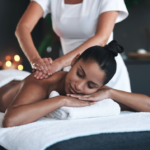
In 2026, glow is not only topical, it’s circulatory. Estheticians are returning to the artistry of hands-on work, using manual techniques to boost radiance in ways no serum can replicate. Facial sculpting, lymphatic drainage, intraoral massage, gua sha, and connective tissue work are becoming essential brightening tools. These modalities stimulate oxygenation, reduce stagnation, and bring life back to the tissues creating instant luminosity. With the rise of content creation, clients increasingly request “post-facial glow” that shows up on camera immediately. Estheticians are answering that call through touch.
Photobiomodulation for Even Tone + Vitality
LED therapy continues to dominate, but 2026 introduces more refined uses of photobiomodulation. Professionals are customizing light combinations not just for anti-aging, but for brightening and radiance.
Amber, red, and near-infrared light—used alone or layered—are now targeting:
- inflammation
- vascular irregularities
- dullness
- pigment clusters
- sluggish cellular energy
Studies show that consistent LED therapy elevates mitochondrial function, reduces erythema, and improves uniformity creating the translucent, clear look clients desire. Light is no longer an “add-on.” It’s a pillar of brightening.
Enzyme Resurfacing Over Harsh Peels
Winter brightening has always come with a risk: over-exfoliation. In 2026, estheticians are shifting toward enzyme-driven resurfacing and low-intensity acid blends that respect barrier function. Pumpkin enzymes, fruit enzymes, micro-dose lactic acid blends, and hydrating brightening peels are replacing the harsher treatments of years past. The goal is to create refined, smooth, glowing skin without triggering inflammation. The best brightening results no longer come from aggression, but they come from consistency, customization, and skin literacy.
The Nervous System-Skin Connection Enters the Brightening Conversation
Perhaps the most revolutionary trend of 2026 is the growing recognition of the nervous system’s impact on skin brightness. Chronic stress, sympathetic dominance, and emotional holding patterns contribute to inflammation, dullness, and pigmentation.Estheticians are increasingly incorporating nervous-system-based rituals into brightening treatments: gentle vagus nerve techniques, calming aromatherapy, grounding breaths, and slow rhythmic massage.When the client drops out of fight-or-flight, circulation improves, inflammation calms, and the glow becomes more sustainable.
The Future of Brightening Is Integrative
The brightening trends of 2026 reflect a larger truth: the skin cannot glow unless it is nourished, supported, protected, and balanced. The esthetician’s role is shifting from “correcting dark spots” to optimizing the entire environment that influences luminosity.Radiance is no longer the result of one product, one treatment, or one modality.
It is the sum of:
- a strong barrier
- optimized circulation
- controlled inflammation
- intelligent ingredients
- consistent home care
- internal balance
As the industry moves forward, brightening becomes less of a cosmetic category and more of a holistic practice. In 2026, estheticians are not just restoring glow, they are redefining it.
Read More…
-

The Holiday Booking Conversation Starts Now
30 September, 2026 -
Make Memberships Feel Relevant in Fall
30 September, 2026 -
Are Seasonal Specials Actually Profitable?
30 September, 2026 -
The Treatment Room Upgrade Guide
31 August, 2026 -

The New Era of Skin Analysis
31 August, 2026 -

High-Tech, High-Touch
31 August, 2026 -
Why Emotional Safety Is Becoming the New Luxury
31 July, 2026 -
Creating Signature Rituals That Define Your Brand
31 July, 2026